Zain Renner
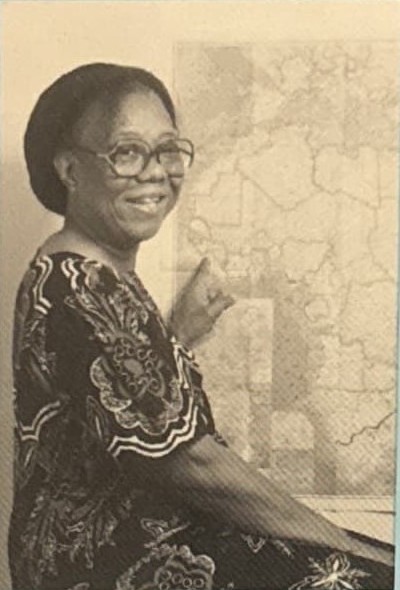
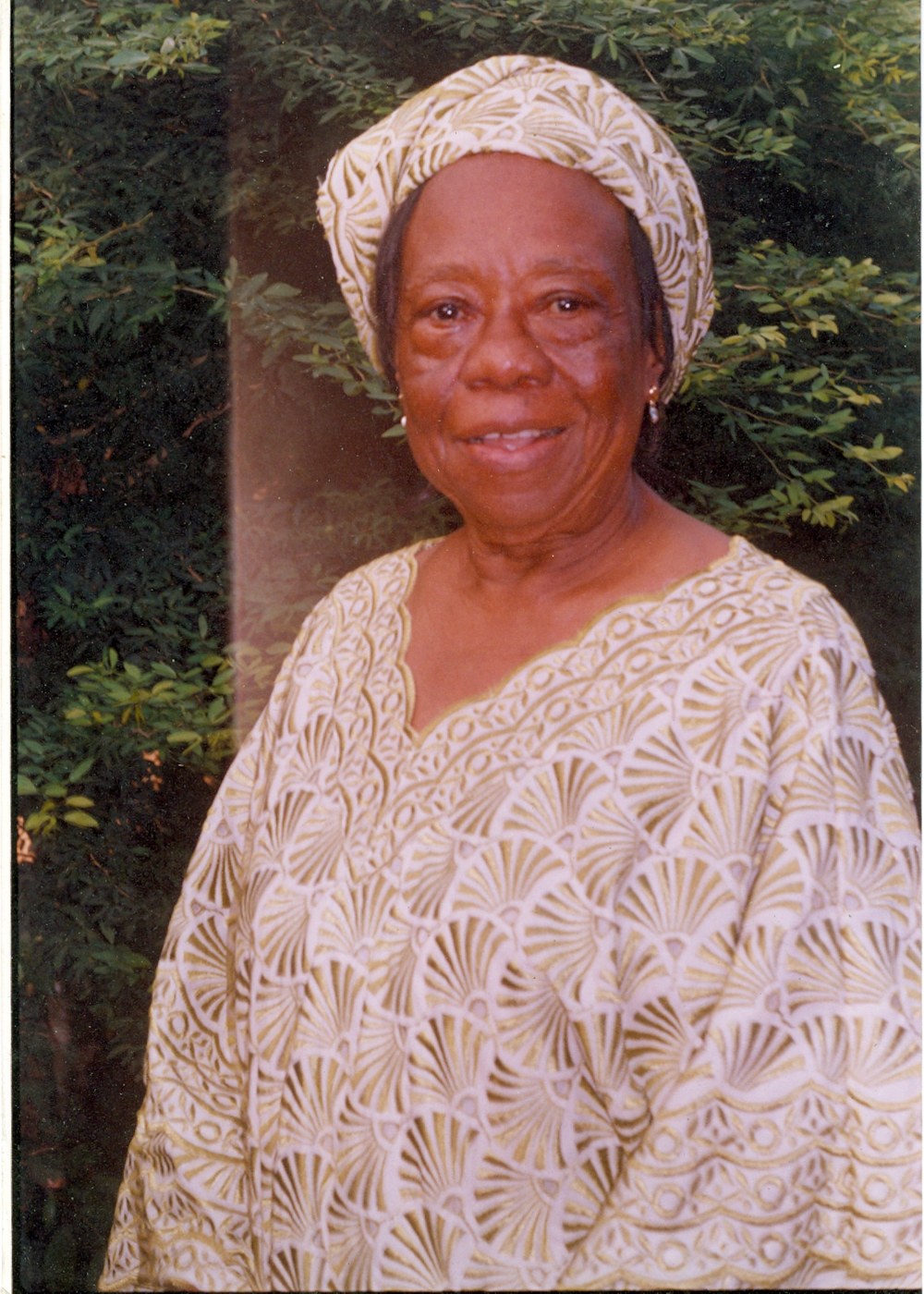
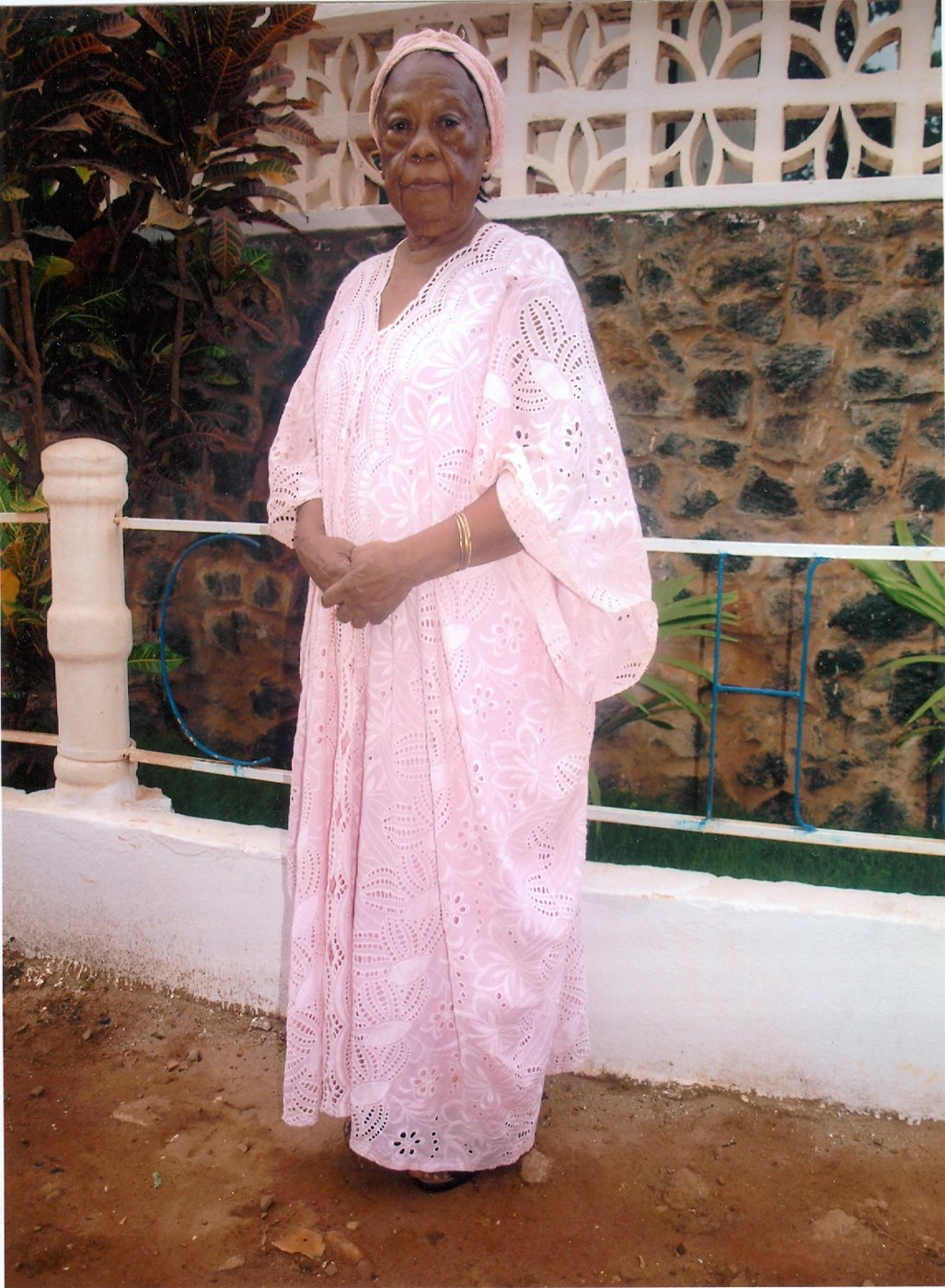
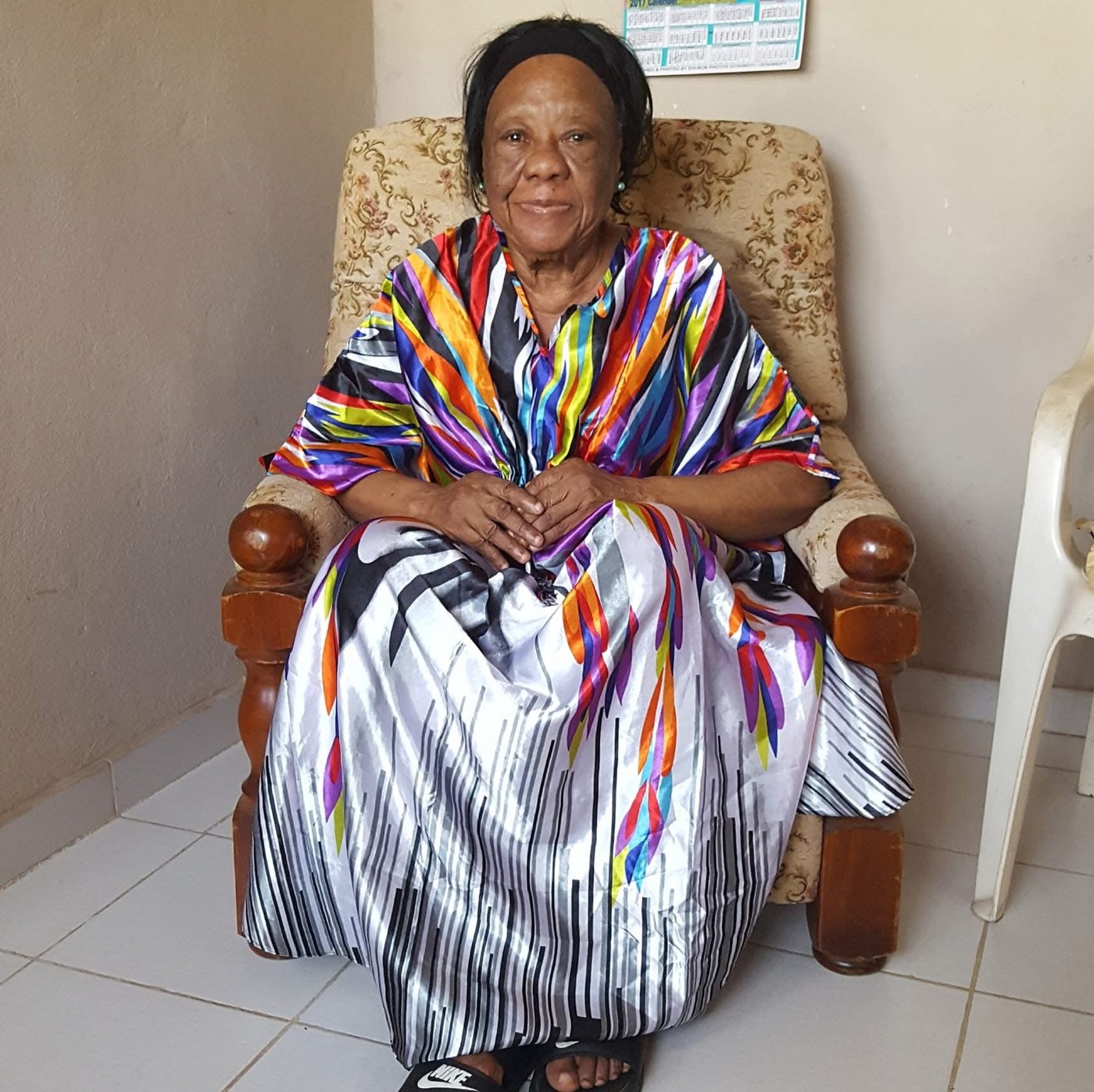
Zainabu Laura Renner
Known to family and friends as Zain. Born February 16, 1934, in Sierra Leone.
Teacher of English literature. Storyteller. A woman who has never been moved by pomp, wealth or position, and who has spent her life among ordinary people, teaching, telling stories and living her faith.
This page gathers what our family knows of her journey, including newspaper reports from Iowa in the 1950s and 1960s that we only recently rediscovered.
The Renner family
Her life at a glance
- 1934Born February 16 in Sierra Leone. Raised by her grandmother in Pendembu.
- 1955Graduates from Harford School for Girls in Moyamba, where she became a Christian.
- 1955–1957Briefly attends the Bible school at Bo, where she lectures women on caring for their homes and children.
- 1957Arrives at Westmar College in Le Mars, Iowa, in September.
- 1958–1961Speaks to schools, women's clubs and church camps across the American Midwest.
- 1961Graduates from Westmar. On November 24, marries Rev. Eustace Lloyd Renner in Paynesville, Minnesota.
- 1962Returns home to Sierra Leone in March.
- 1965Lives in Bo, where her husband heads the Bible Training and Vocational Institute.
- Early 1970sThe family moves to Ibadan, Nigeria.
- 1973–1974The family lives in Nairobi, Kenya.
- 1975Returns to Freetown and begins teaching English language and literature at the Government Technical School, Congo Cross, Freetown.
- 1982Earns her Diploma in Education from the University of Sierra Leone.
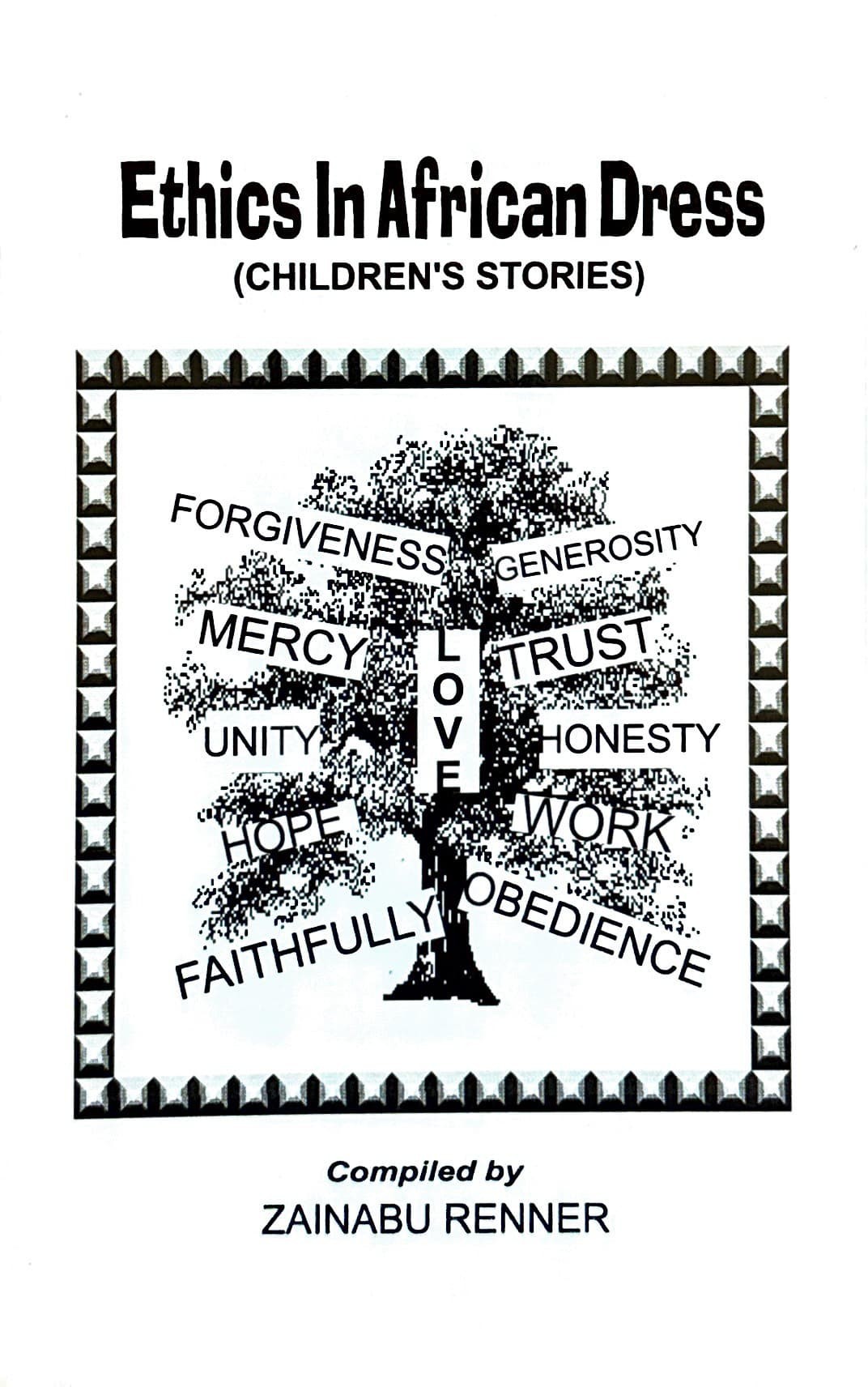
- 1996Publishes Ethics In African Dress, 20 African moral stories for children.
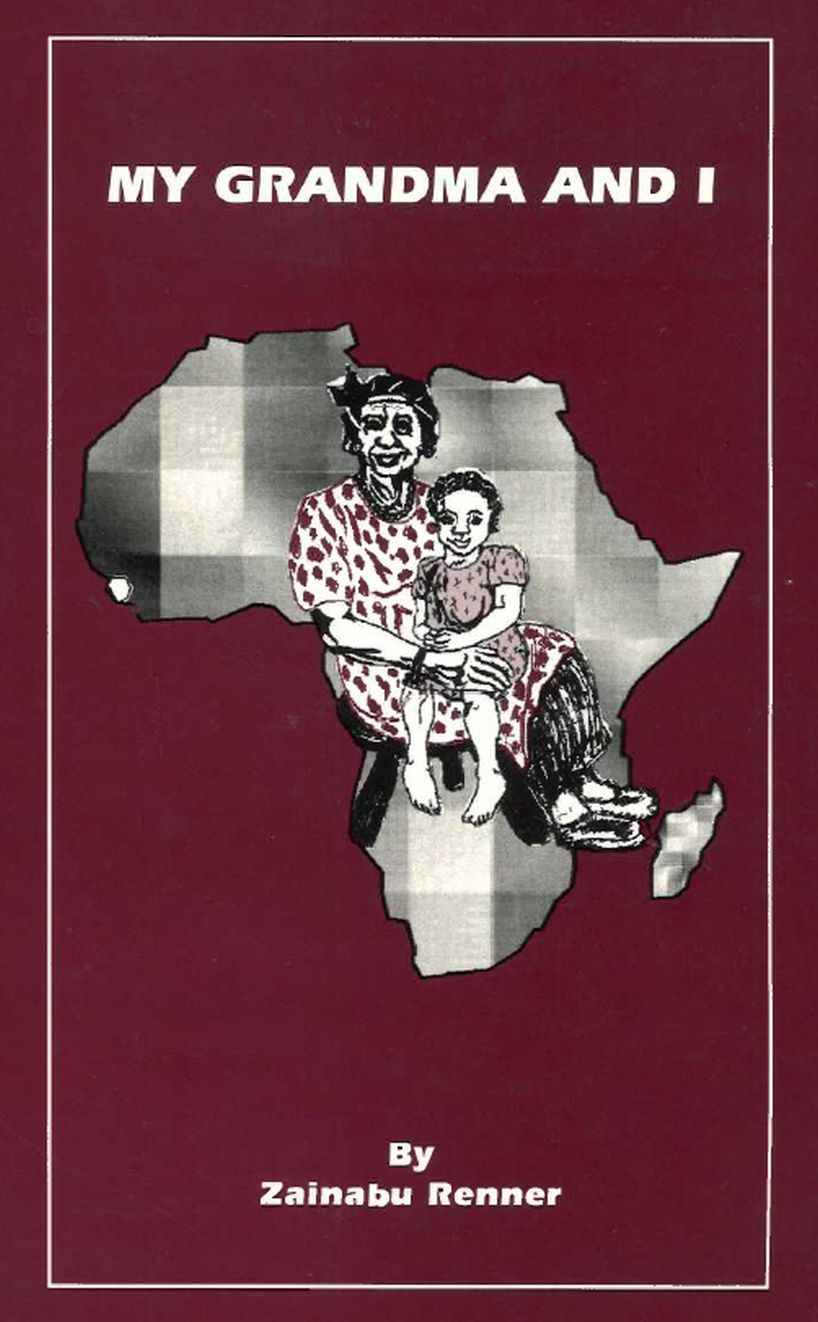
- 1998Publishes My Grandma & I, a memoir of the grandmother who raised her. Spends these years partly in Decatur, Georgia, helping to raise her grandchildren.
- 2000Her husband, Rev. Eustace Renner, dies on August 29.
- TodayLives in Freetown. Mother of three, grandmother of eight, great-grandmother of three.
From Pendembu to Moyamba
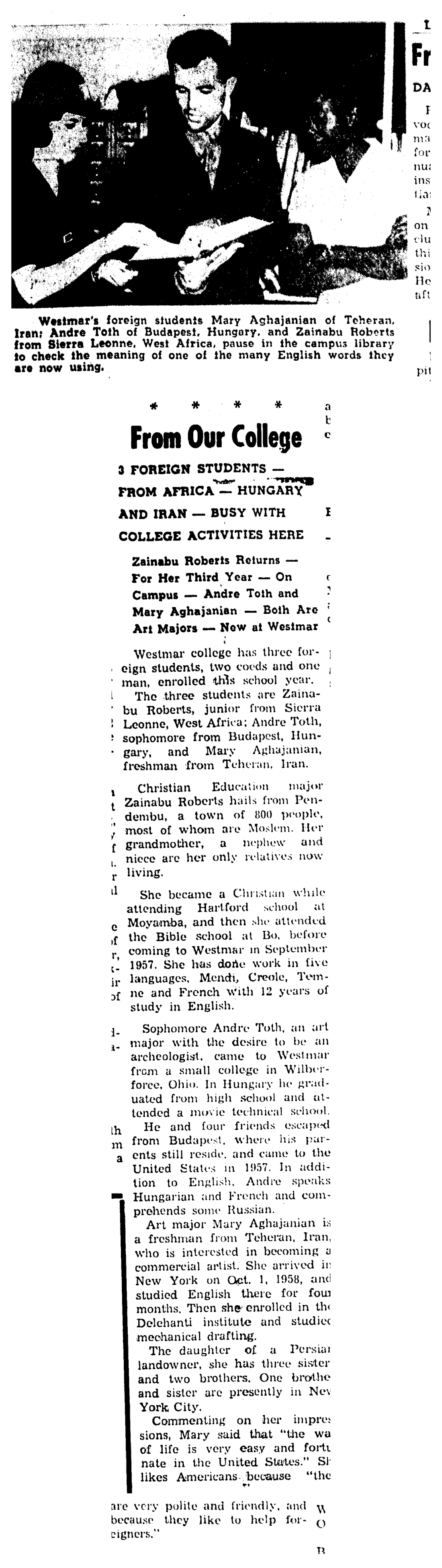
Zainabu Roberts grew up in Pendembu, a town of about 800 people, most of them Muslim. She and her older sister were raised there by their grandparents.
She attended Harford School for Girls in Moyamba, a school staffed by Evangelical United Brethren (EUB) missionaries, and became a Christian there. One of her teachers there was a young American, Ethel Brooks, who taught at Harford from 1949 to 1954 and became a lifelong friend. She graduated in 1955 and went on to the Bible school at Bo, where she gave lectures to women on the care of their homes and children.
By the time she left for America she had worked in five languages: Mende, Krio, Temne, French and English, which she had studied for twelve years. A scholarship through her mission school, and the recommendation of the EUB missionary Rev. Willert Zahl, who was also her godfather, opened the way to college in the United States.
The grandmother who raised her
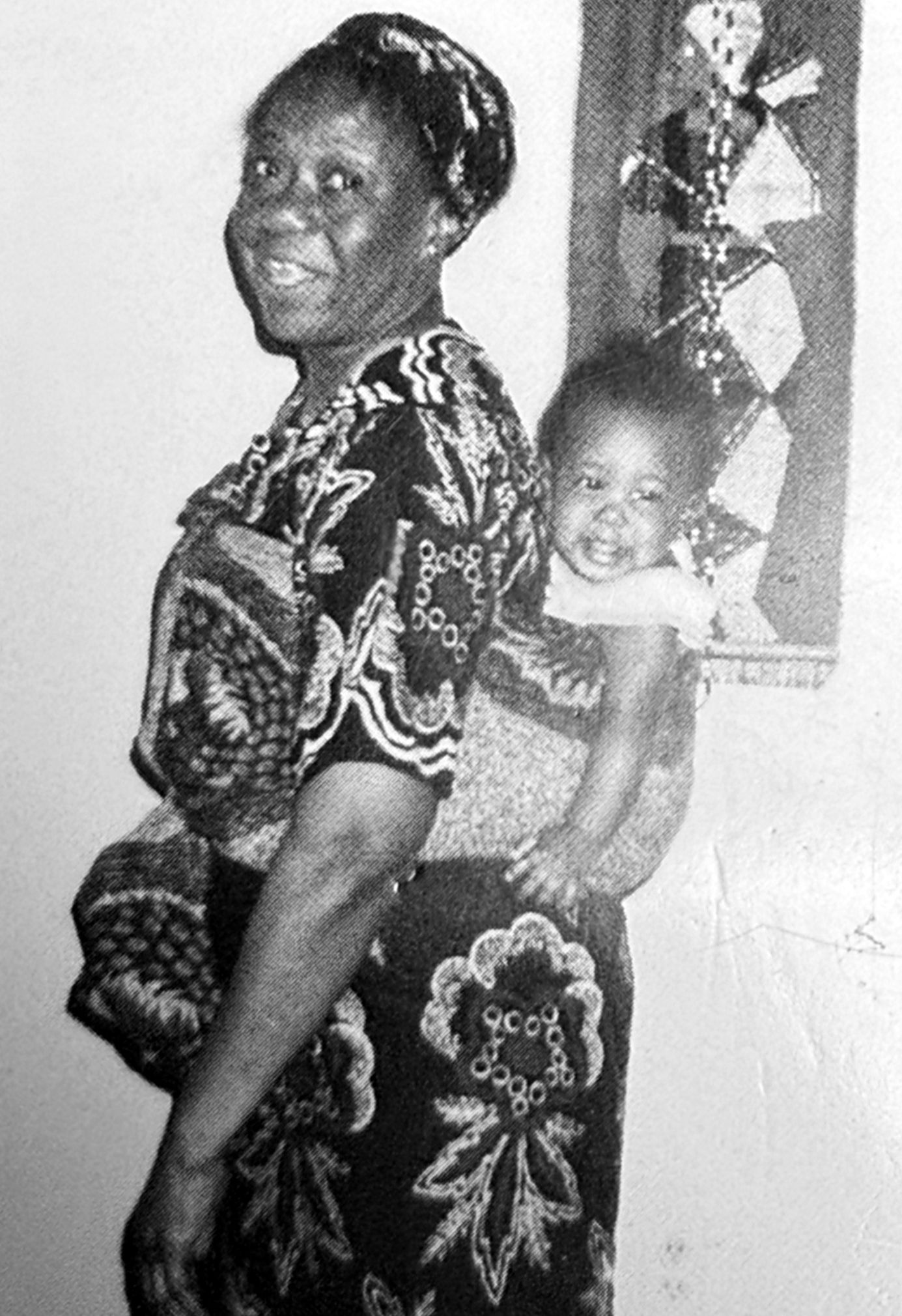
Her mother died when she was five. She and her older sister were raised by their grandparents in Pendembu, and above all by their grandmother, Mama Saffie, whom she later honored in her 1998 memoir, My Grandma & I.
Mama Saffie could not read or write, but she was determined that her granddaughters would be educated. To pay a year of school fees at Harford, she pawned the one treasure she owned, a necklace of gold beads. Every school journey, the girls' grandfather met them at the Bo railway station, greeting them with the words "God is great, and greatly to be praised."
Mama Saffie walked into the bush for medicinal leaves to treat sick children, kept two great cooking pots on the fire for whoever arrived, and gave away her granddaughters' clothes, including Zainabu's favorite blue dress, to children who had none. In her home no one was a stranger; everyone belonged to what her granddaughter called "the family of mankind." Those lessons became the shape of her own life.
Her grandmother once told her, "If you choose to live long, you must prepare to face untold mysteries."
The Westmar years, 1957–1961
In September 1957 she arrived at Westmar College in Le Mars, Iowa. The choice made sense: a 1954 merger with York College of Nebraska had made Westmar the only college west of the Mississippi River affiliated with the Evangelical United Brethren Church, the same church whose missionaries ran her school in Sierra Leone. Westmar drew students from far and wide, and in 1959 she was one of just three international students on campus, alongside students from Hungary and Iran.
She was not alone in Iowa. Her former Harford teacher, Ethel Brooks, was by then working at Central College in Pella, Iowa, and the two kept in touch throughout her Westmar years. Miss Brooks later became Westmar's librarian. Another young Sierra Leonean at Central College, Doris Caulker, would be a bridesmaid at Zainabu's wedding.
She majored in Christian education with a minor in sociology, hoping, as she told a reporter, to return to Africa and work among her people.
By her third year, the Le Mars Daily Sentinel put her on its front page and described her as well known in Le Mars and the surrounding area because of her speaking engagements before clubs and civic groups. Local newspapers recorded some of them:
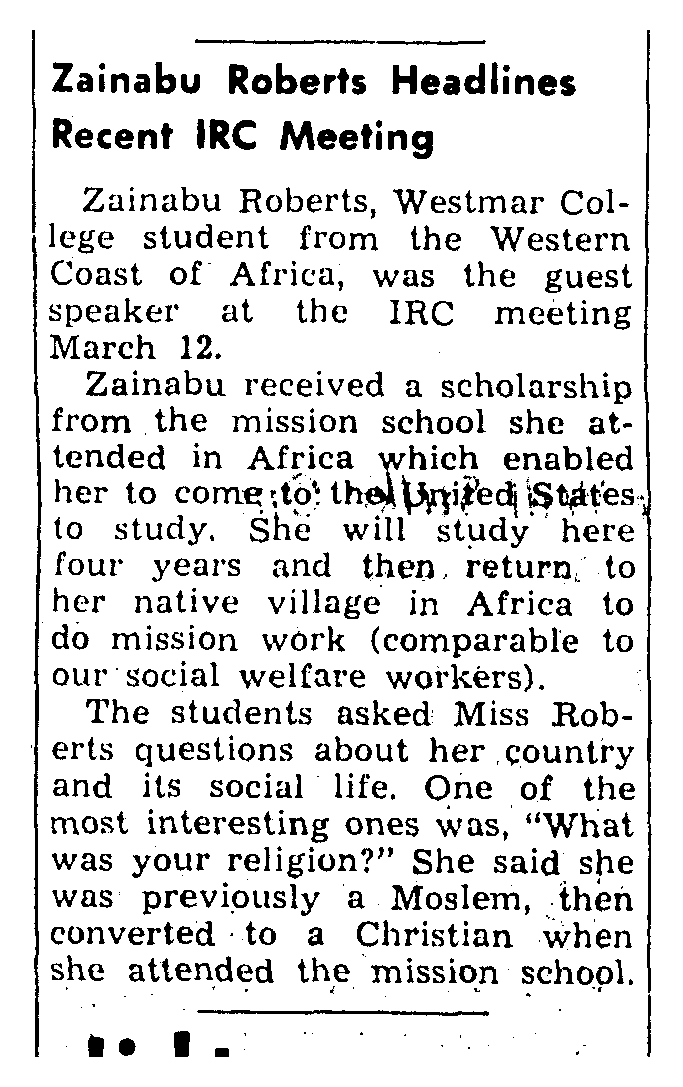
- March 12, 1958: guest speaker at the International Relations Club of Le Mars High School, where students asked about her country and her faith.
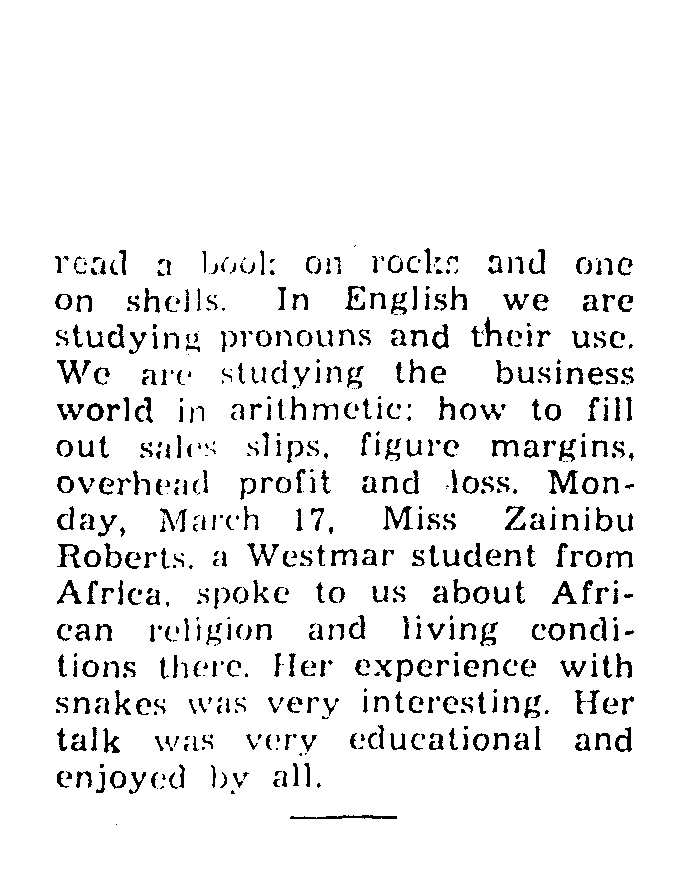
- March 17, 1958: a visit to the Merrill school, where pupils wrote that her stories of African life, and of snakes, were "very educational and enjoyed by all."
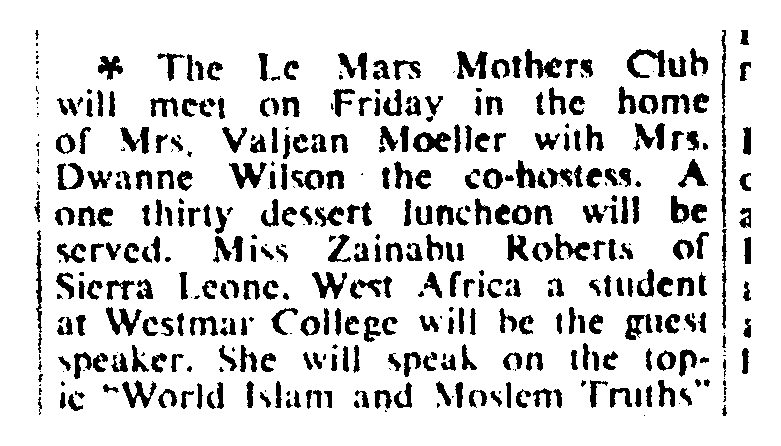
- March 1959: guest speaker at the Le Mars Mothers Club, on world religions.
- Summer 1959: visiting and speaking at EUB church camps in several Midwest states.
There were lighter moments too. She saw Roy Rogers and his horse Trigger perform at the Iowa State Fair, rode the subway in Chicago, and visited the Museum of Science and Industry. American food names like hot dogs, pigs in a blanket and deviled eggs still amazed her. And Iowa winters took some getting used to: "The first winter was the worst," she said.
Asked, as Americans constantly asked, about Africa's wild animals, she was firm: "There are many animals such as monkeys, baboons, and squirrels, but I have never seen a live lion, giraffe, or tiger."
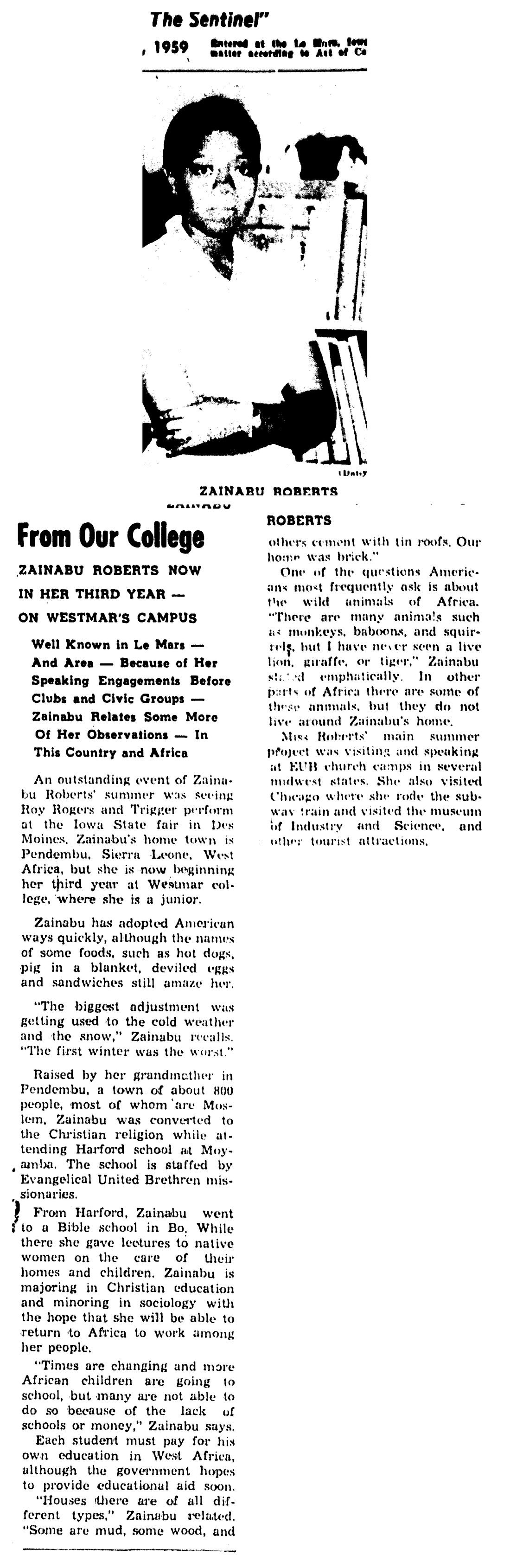
"Times are changing and more African children are going to school, but many are not able to do so because of the lack of schools or money." Zainabu Roberts, Westmar College student, Le Mars Daily Sentinel, November 17, 1959
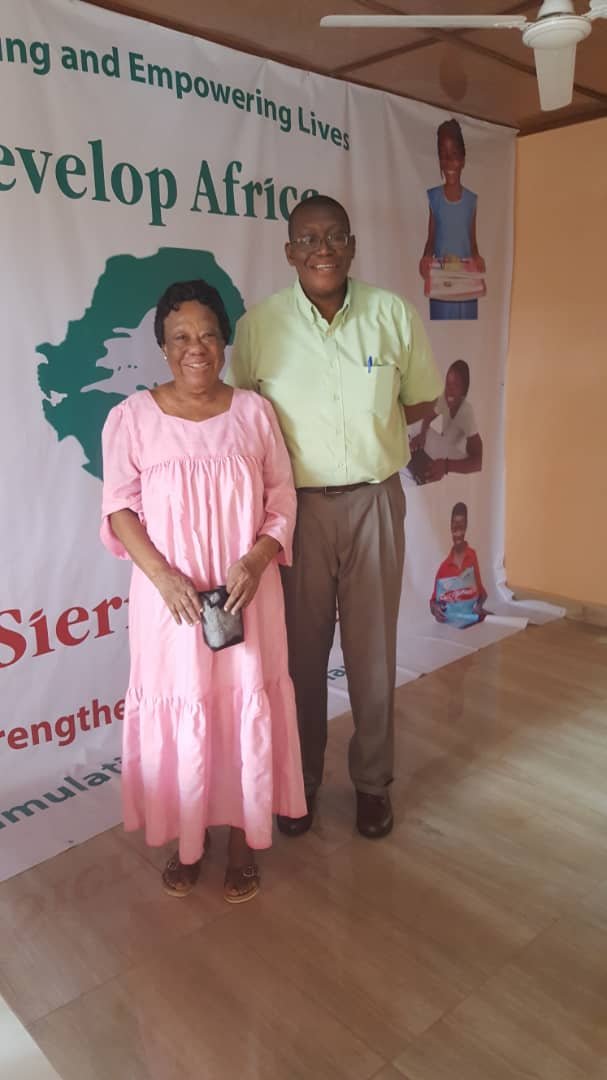
She said this as a 25-year-old student in Iowa. Decades later, her son would found Develop Africa to help Sierra Leonean children get the education she spoke about that year.
The wedding, November 24, 1961
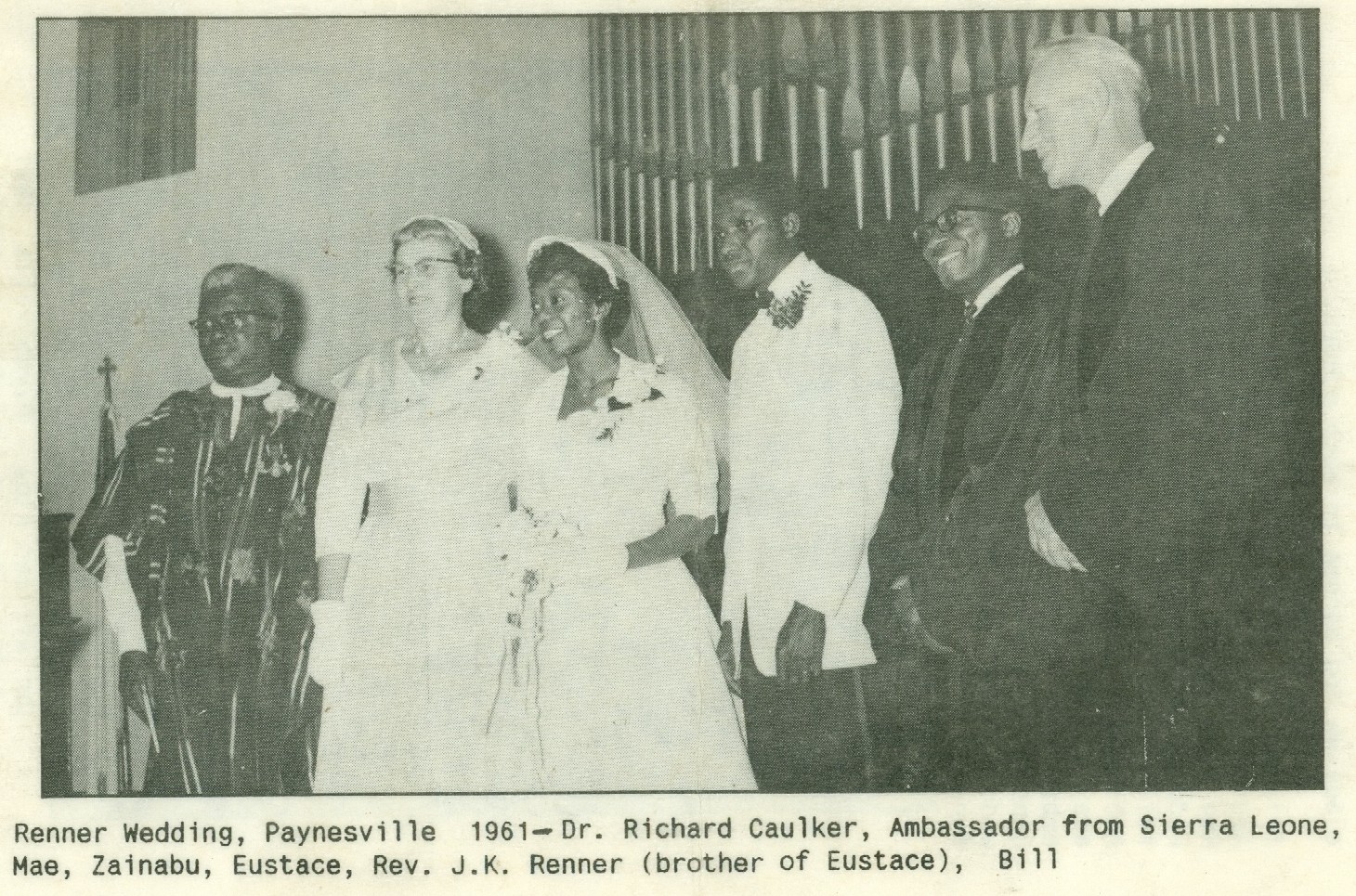
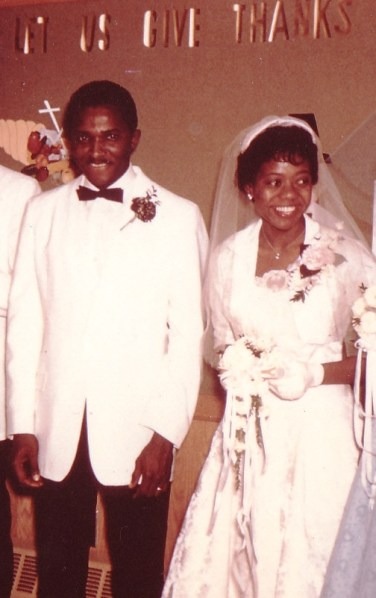
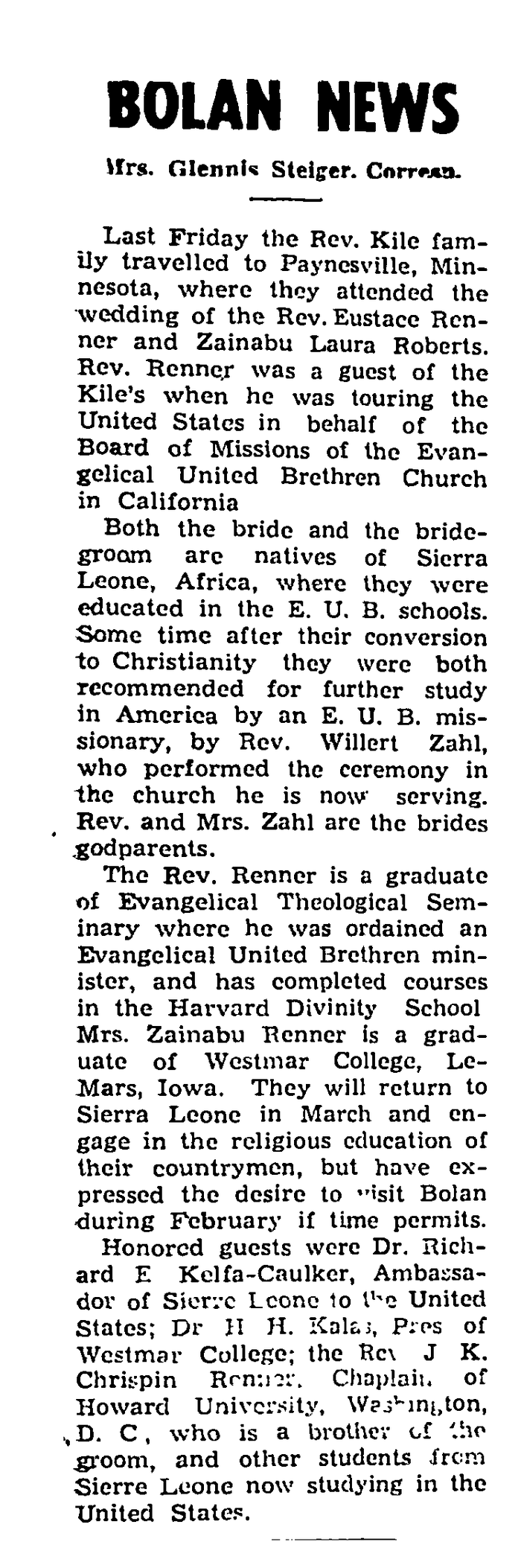
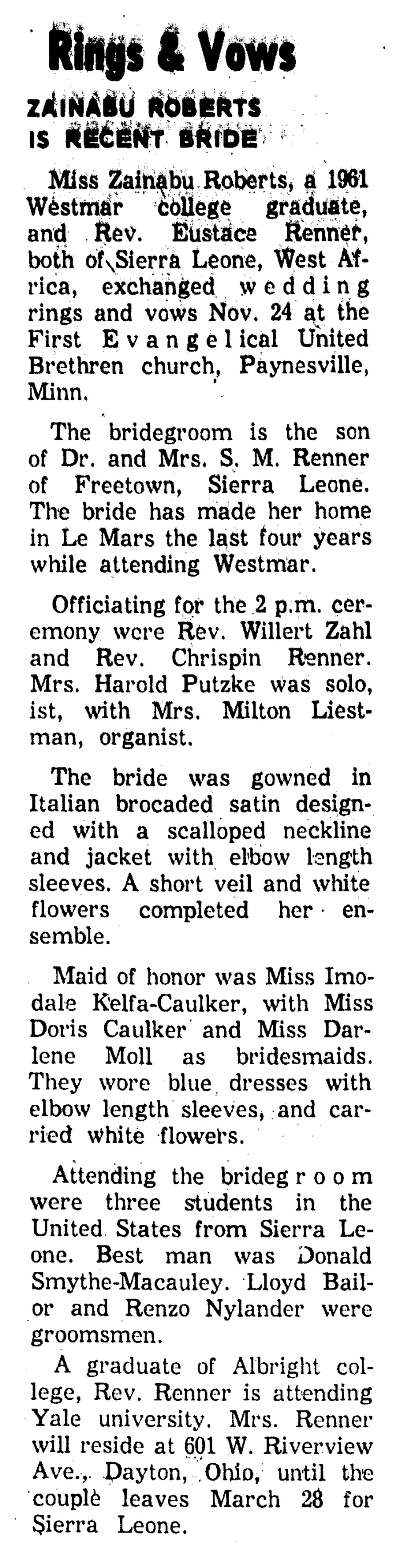
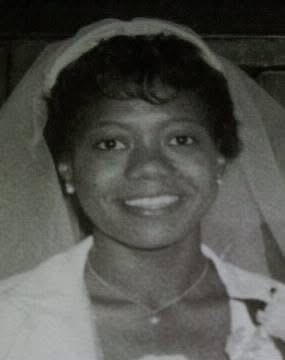
On November 24, 1961, at 2 p.m., Zainabu Roberts married Rev. Eustace Lloyd Renner, also of Sierra Leone, at the First Evangelical United Brethren Church in Paynesville, Minnesota. Three Iowa newspaper reports describe the day in detail, and so does the memoir later written by the minister who married them.
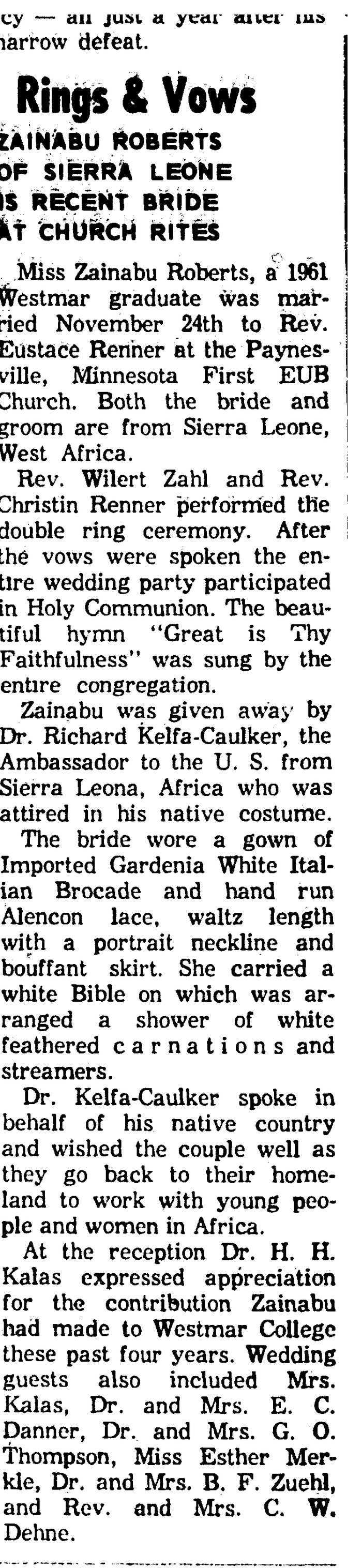
Rev. Willert Zahl, her godfather and the minister of the Paynesville church, officiated with the groom's elder brother, Rev. J. K. C. (Chrispin) Renner, then chaplain of Howard University in Washington, D.C. It was a double-ring ceremony, and the wedding party received Holy Communion. The whole congregation sang "Great Is Thy Faithfulness."
Sierra Leone had become independent only seven months earlier. The new nation's ambassador to the United States, Dr. Richard E. Kelfa-Caulker, gave the bride away, dressed in national attire. He spoke on behalf of his country and wished the couple well as they prepared to go home to work with young people and women in Africa.
The bride wore imported Italian brocade with hand-run Alençon lace and carried a white Bible topped with white feathered carnations. Miss Imodale Kelfa-Caulker was maid of honor, with Miss Doris Caulker and Miss Darlene Moll as bridesmaids. Three Sierra Leonean students in the United States attended the groom: Donald Smythe-Macauley as best man, with Lloyd Bailor and Renzo Nylander. At the reception, Westmar's president, Dr. H. H. Kalas, thanked the bride for her contribution to Westmar College over her four years there.
Behind the day stood Rev. Willert "Bill" Zahl and his wife, Mae, a North Central College graduate. In his 1989 memoir, His World Was Ours To Share, Rev. Zahl called the couple "Our African Kids." Mae sent out 700 invitations, bought the bride's wedding dress and accessories, and planned the reception. Fifteen Africans attended, and the ambassador stayed two days in the Zahls' home, spending much of his time at Mae's organ. He wrote that it was a wedding the Paynesville congregation would never forget.
Home to Sierra Leone
After the wedding she lived briefly in Dayton, Ohio, home of the EUB church's headquarters, until the couple left for Sierra Leone on March 28, 1962. In 1968 the EUB church joined with the Methodist Church to form the United Methodist Church, which she and her husband served for the rest of their working lives.
The next thirteen years took the family across Africa. In Bo, her husband headed the Bible Training and Vocational Institute. The family then moved to Ibadan, Nigeria, and lived in Nairobi, Kenya, around 1973 and 1974.
In 1975 they settled back home in Freetown, and she began teaching English language and literature at the Government Technical School at Congo Cross, where she taught for several years. In the 1981–1982 academic year she earned her Diploma in Education from the University of Sierra Leone.
Storyteller and writer
When she spoke in church, she was often asked to tell the children an African story. Friends urged her to write them down for Sunday School, and in 1996 she published Ethics In African Dress: 20 African moral stories, each with a Scripture reference, drawn from stories she heard as a child, her African studies and her own insight. She described them as "universal lessons, clothed in African style," and dedicated the book "to all grandchildren, all over the world."
Two years later she published a second book, My Grandma & I (1998), a memoir of the grandmother who raised her and the lessons of generosity, faith and hospitality she passed on. She dedicated it to her friends, "mostly grandmothers too," who had asked for her memories.
She still loves to write, above all proverbs. "As far back as I can recall my primary life, Proverbs have intrigued me," she wrote in a 2013 letter, "so I am always writing down the captivating ones." With a smile she claimed to be a relative of King Solomon, who spoke three thousand proverbs (1 Kings 4:32), and admitted she was "addicted to writing them." Her collection, gathered over a lifetime in English and Krio with her own Scripture notes, is being prepared for publication in 2027 or 2028.
How she lives
Those who know her describe a simple life. She has never been impressed by pomp, wealth or position, and she has always kept company with the humble and the lowly. She ate healthy food long before healthy eating became news or fashion.
She has long quoted a verse from Ecclesiastes, and lived by it: it is better to go to the house of mourning than to the house of feasting (Ecclesiastes 7:2).
Family
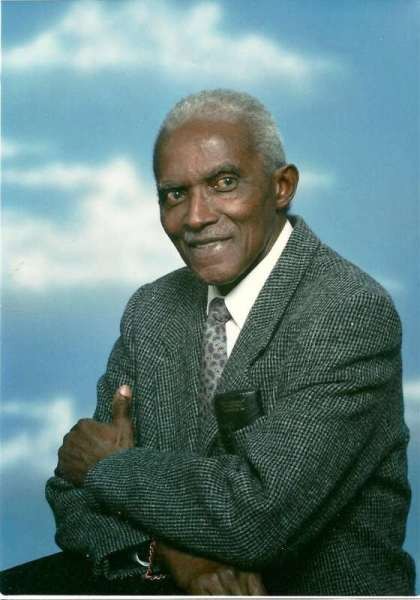
Her husband, Rev. Dr. Eustace Lloyd Renner (November 7, 1930 – August 29, 2000), was a minister, educator and tireless organizer who served the United Methodist Church as a local pastor for many years and worked with the United Christian Council and the Bible Society of Sierra Leone. He believed in offering people a hand up, and kept a plaque on his wall that read, "The poor cannot eat theories."
Together they raised three children: Stacey, Sylvester and Victor. Today she is grandmother to eight and great-grandmother to three.
Photographs
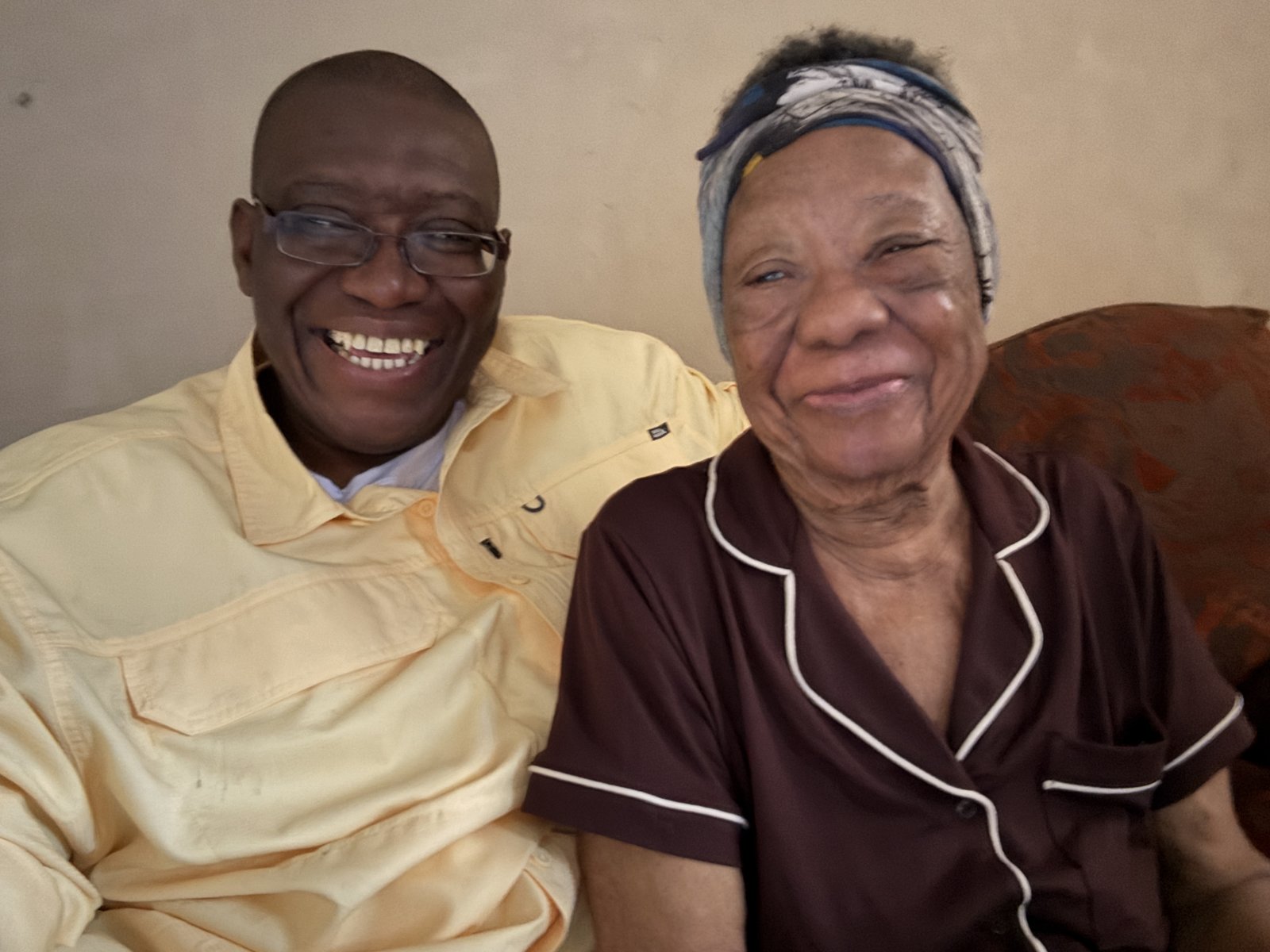
In the newspapers
These reports were found in digitized archives of small-town newspapers. Tap an image to read the clipping, or open the full newspaper page as a PDF.
Share a memory
Were you her student at Congo Cross, a member of her church, or a friend from Westmar? We are gathering memories and tributes to share with her. Please send yours to memories@sylrenner.com.
Sources: family records; Yale Divinity School Class of 1962 remembrance of Eustace Renner; Ethics In African Dress (1996); My Grandma & I (1998); Le Mars Sentinel, Le Mars Globe-Post and Le Mars Daily Sentinel (1958–1961), via the Le Mars Public Library digital archive; Manly Signal (1961); Willert W. Zahl, His World Was Ours To Share (Hutchinson, Minn.: Crow River Press, 1989), pp. 129–130; letter from Zainabu Renner to her son, 2013. Westmar College history: Wikipedia.