Eustace Renner
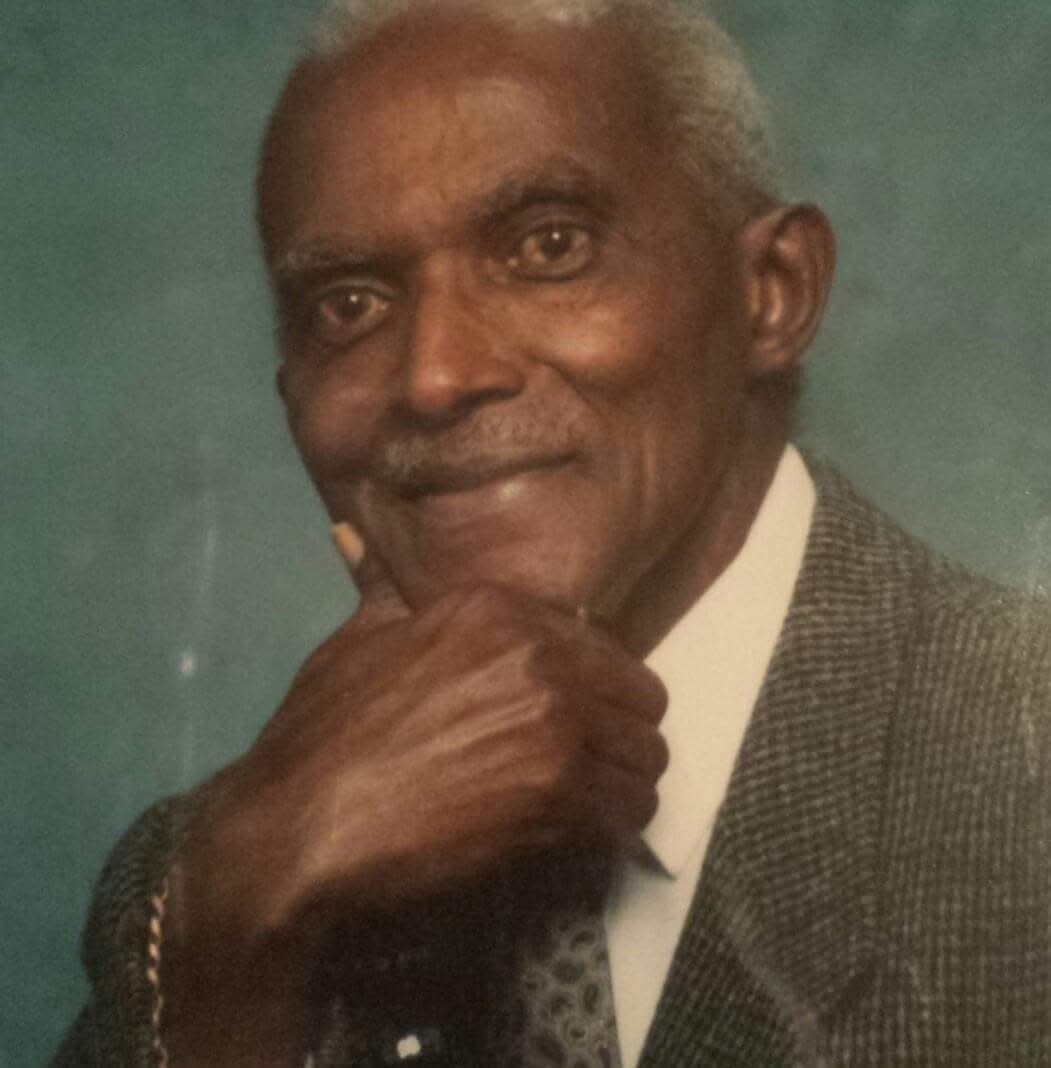
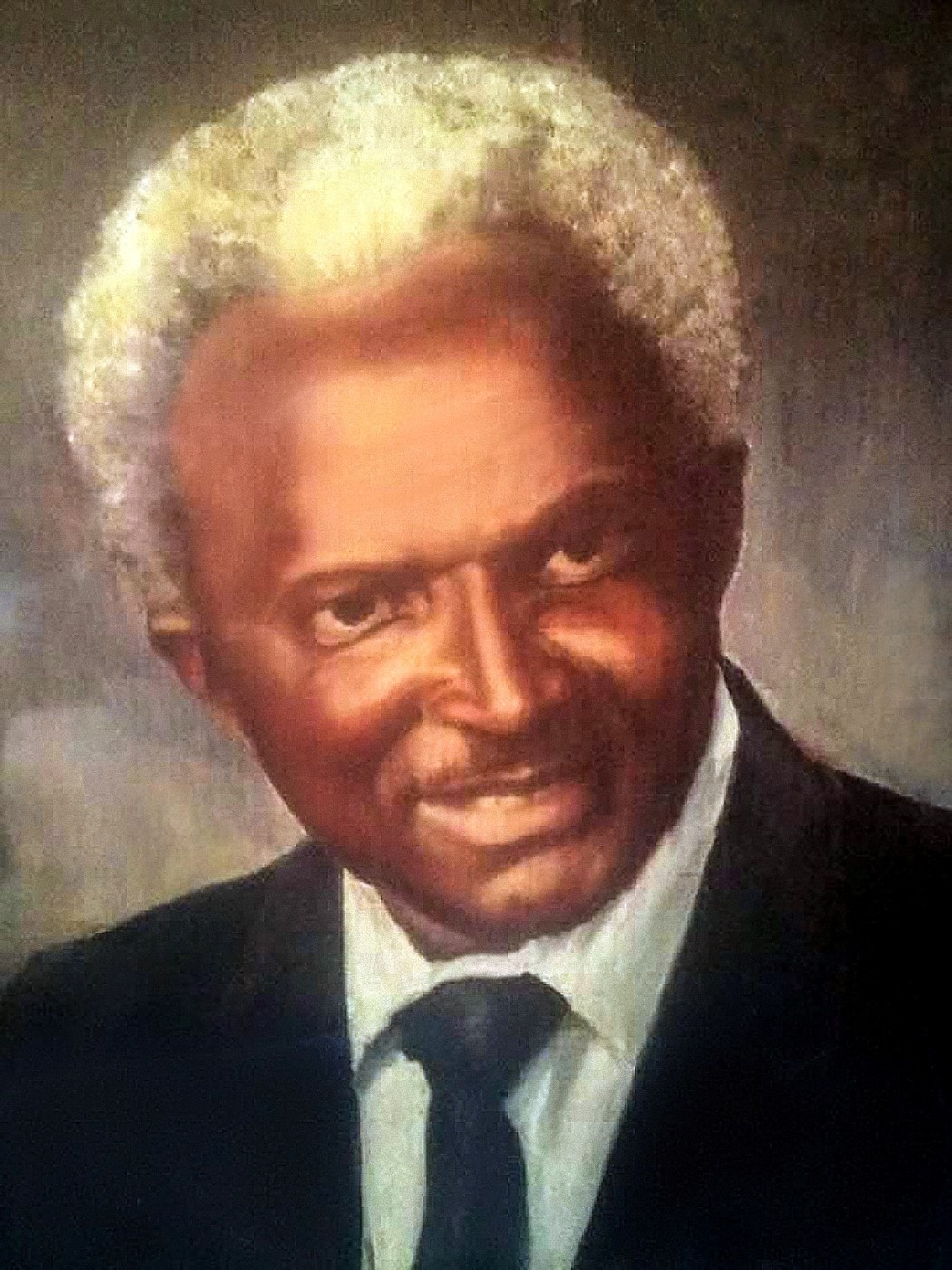
Rev. Dr. Eustace Lloyd Renner
November 7, 1930 – August 29, 2000. Minister, educator and organizer, from Sierra Leone.
Our father believed in giving people a hand up, not a handout. He studied on two continents, served the church across Africa, and kept a plaque on his wall that read, "The poor cannot eat theories."
This page is the beginning of a fuller biography we hope to write. If you knew him, we would be grateful for your memories.
The Renner family
His life at a glance
- 1930Born November 7 in Sierra Leone, into a family of early Christian converts.
- 1950sEarns a licentiate in theology at Fourah Bay College, Freetown, then wins a scholarship to study in the United States.
- 1959Earns his BA at Albright College, Reading, Pennsylvania. In September, speaks at an E.U.B. Youth Rally in Geneva, Indiana.
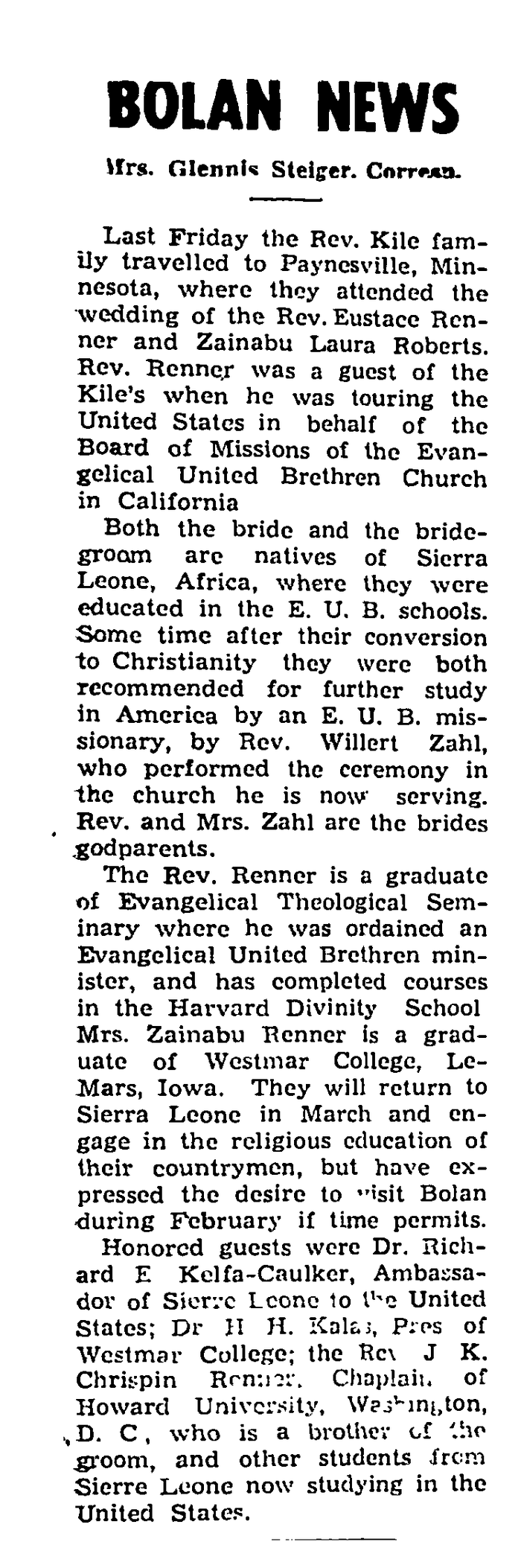
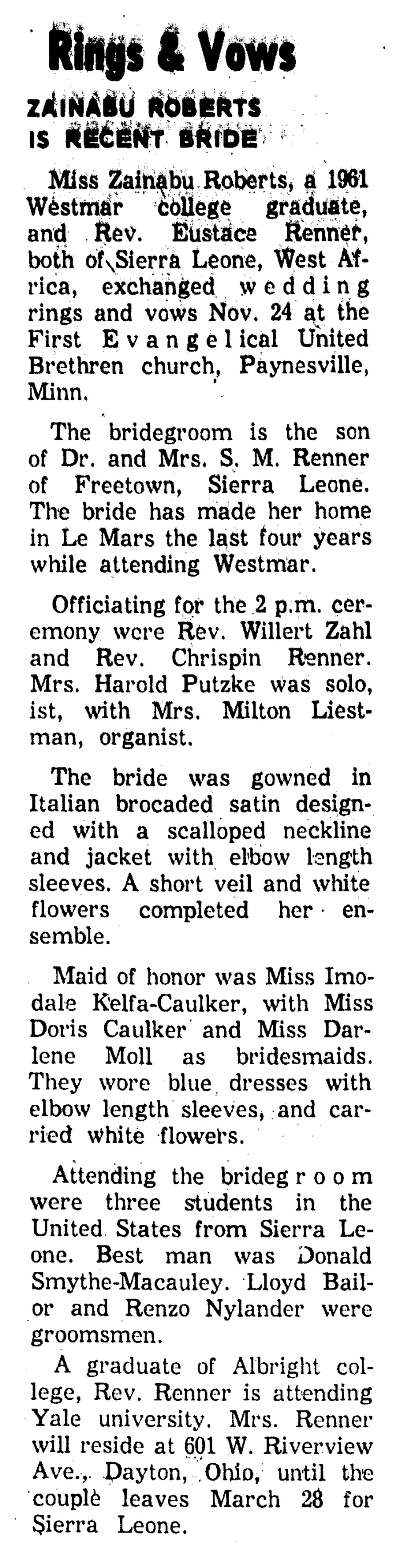
- 1961Receives his Bachelor of Divinity from Evangelical Theological Seminary, Naperville, Illinois, on May 8, and is ordained a minister of the Evangelical United Brethren Church. Tours the United States on behalf of the EUB Board of Missions. On November 24, marries Zainabu Roberts in Paynesville, Minnesota.
- 1962Receives his Master of Sacred Theology from Yale Divinity School. Leaves for Sierra Leone on March 28.
- 1965Heads the Bible Training and Vocational Institute in Bo, raising a young family.
- Early 1970sMoves the family to Ibadan, Nigeria.
- 1973–1974The family lives in Nairobi, Kenya.
- 1975 onwardBack in Sierra Leone. Serves the United Methodist Church as a local pastor for many years and works with the United Christian Council and the Bible Society of Sierra Leone.
- 1984Albright College awards him an honorary Doctor of Divinity.
- 1992Attends his 30th Yale reunion, tours the U.S. raising $20,000, and starts a lending fund for women in Sierra Leone.
- 1995Directs the Faith and Fortitude Farm Programme in Freetown, helping hundreds of women and children who fled to Waterloo during the rebel war.
- 1997Survives the coup that overran his home town of Waterloo, losing property including his pineapple farm.
- 2000Dies August 29, at 69.
Roots
Eustace Renner was born into a Christian home. His Yale classmates recorded that his family had been converted to Christianity by a German missionary, and that his grandfather took that missionary's name, Renner.
The first Church Missionary Society missionaries in Africa were two German Lutherans, Melchior Renner and Peter Hartwig, who were sent to Freetown in 1804. Our family name may trace back to that mission. This is what our family recalls and what his Yale classmates wrote, but we have not yet been able to verify it. If you have records or family knowledge that can confirm or correct it, we would be glad to hear from you.
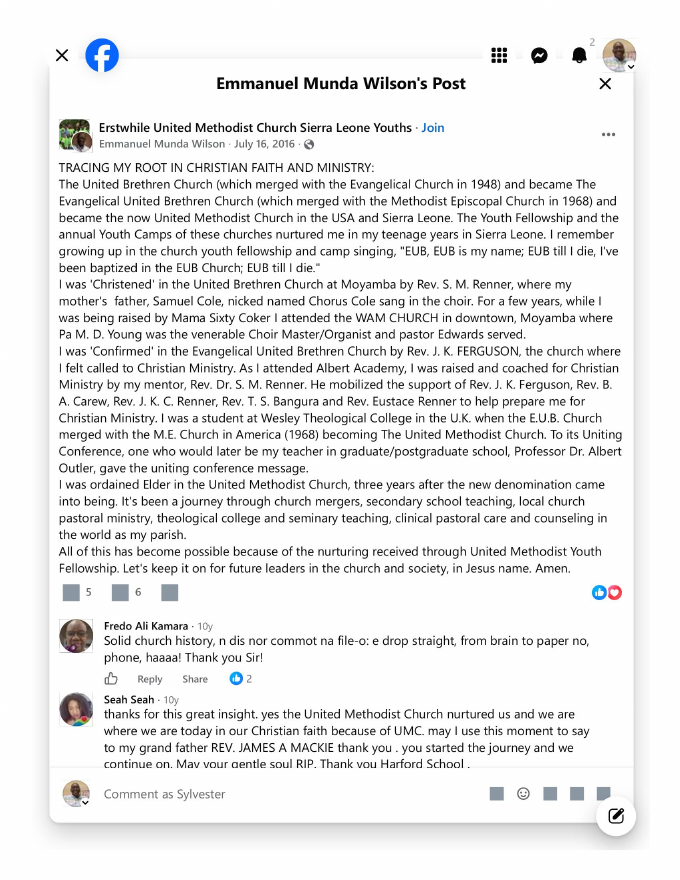
His father, Rev. Dr. S. M. Renner of Freetown, was a minister of the United Brethren Church and a builder of ministers. Rev. Emmanuel Munda Wilson, who later became a United Methodist elder and seminary teacher, recalled being christened by him at Moyamba and, years later, being "raised and coached for Christian ministry" by him. Dr. Renner enlisted fellow clergy to help prepare the young man, among them Rev. B. A. Carew and both of his own sons, J. K. C. and Eustace. (Rev. Wilson's 2016 recollection; archived copy.)
His mother, as his classmates told it, could not rest while a neighbor went hungry. On her own initiative she started programs to feed the poor of Freetown. His elder brother, Rev. J. K. C. Renner, known as Chrispin, also became a minister and was serving as chaplain of Howard University in Washington, D.C., in 1961.
A scholar on two continents
A precocious student, he earned a licentiate in theology at Fourah Bay College in Freetown, West Africa's oldest university. A scholarship then took him to the United States, where he earned a BA at Albright College in Reading, Pennsylvania, a college of the Evangelical United Brethren (EUB) Church, in 1959. Decades later he wrote, "The best years of my life have been those spent at Albright College."
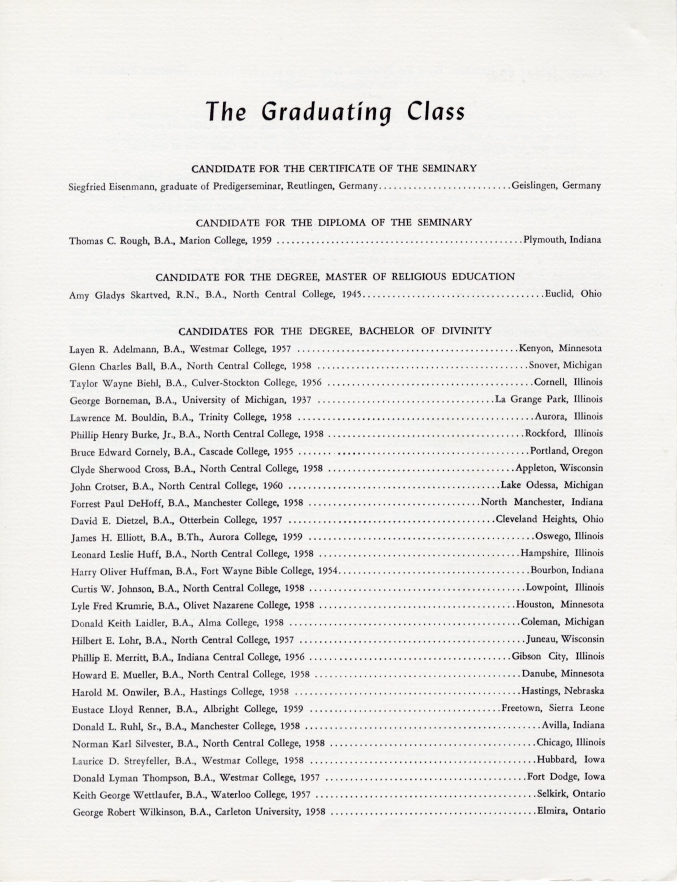
He went on to Evangelical Theological Seminary in Naperville, Illinois, the EUB church's own seminary, and received his Bachelor of Divinity at its 83rd commencement on May 8, 1961, the only graduate in his class from Africa. He was ordained an EUB minister. His Yale classmates later remembered his seminary as Garrett, and both are right in their way: after the EUB and Methodist churches united in 1968, the two seminaries merged in 1974 to form Garrett–Evangelical Theological Seminary in Evanston, Illinois.
He also completed courses at Harvard Divinity School, and in 1962 received his Master of Sacred Theology from Yale Divinity School. Albright College later awarded him an honorary Doctor of Divinity, which we believe was in 1984.
1961: America, and a wedding
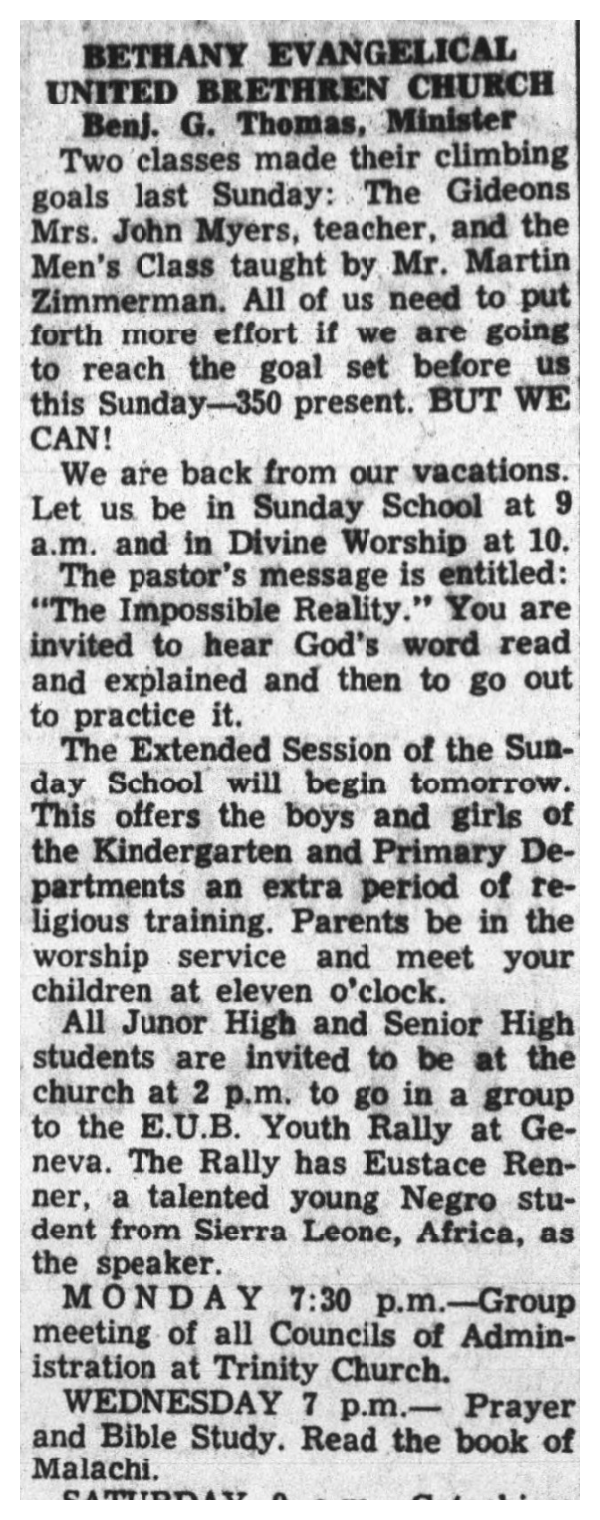
He was already in demand as a speaker. In September 1959 the Decatur Daily Democrat in Indiana announced that the E.U.B. Youth Rally at Geneva would have as its speaker "Eustace Renner, a talented young Negro student from Sierra Leone, Africa," in the language of the time.
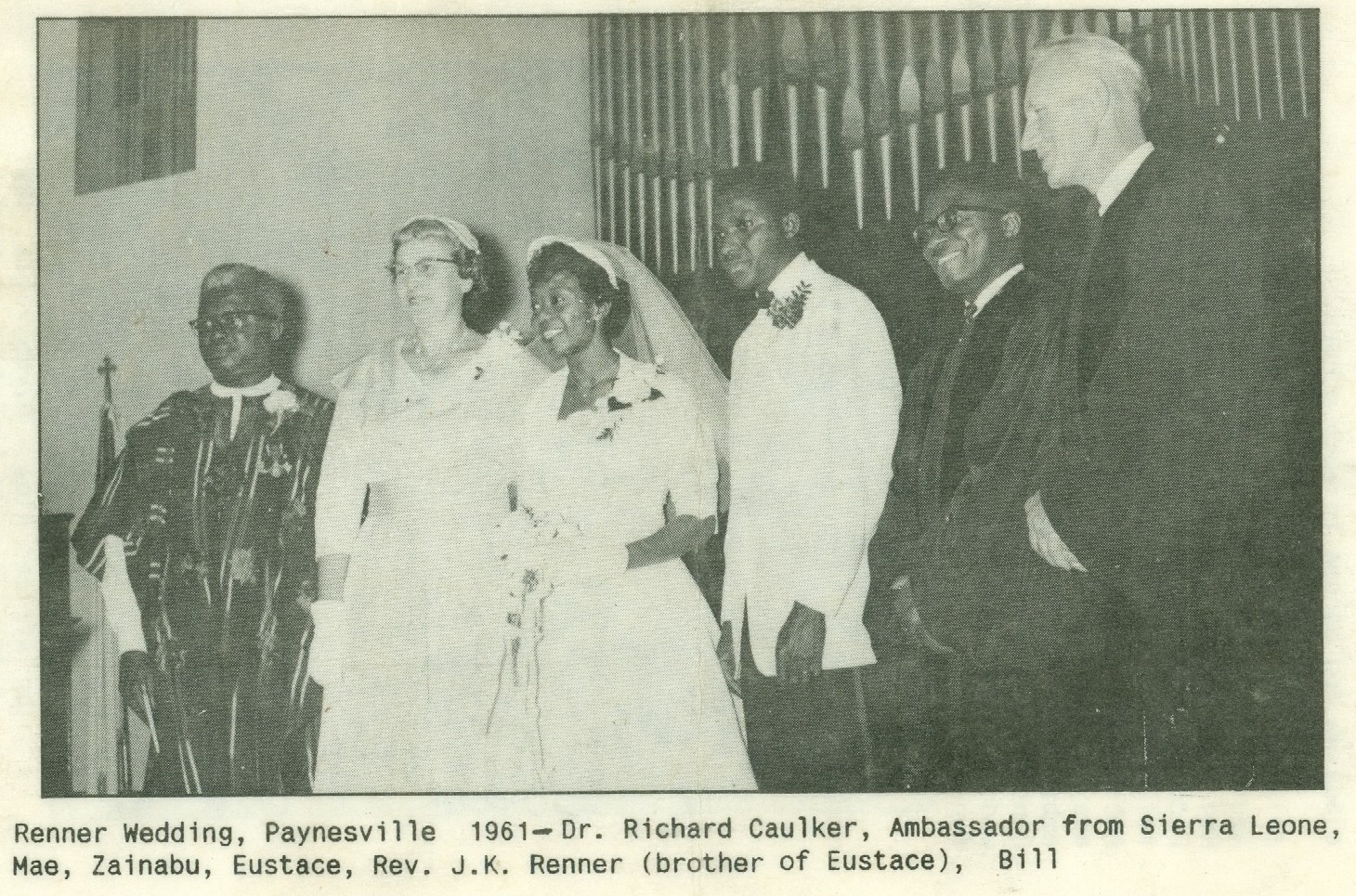
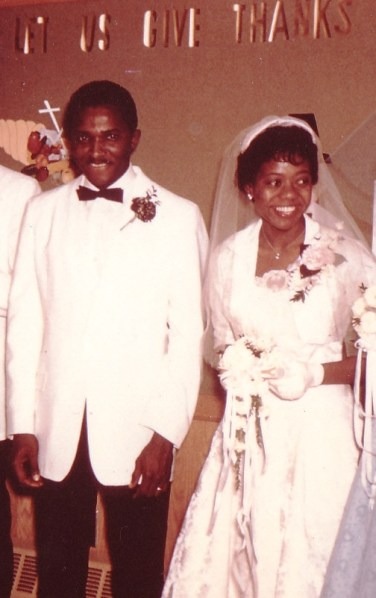
In 1961 he was touring the United States on behalf of the EUB Board of Missions, staying with church families along the way. On November 24 he married Zainabu Roberts, a fellow Sierra Leonean and Westmar College graduate, at the First EUB Church in Paynesville, Minnesota. His brother Chrispin co-officiated, and Sierra Leone's first ambassador to the United States gave the bride away.
Newspapers reported that the couple would return home to engage in the religious education of their countrymen and to work with young people and women in Africa. They left for Sierra Leone on March 28, 1962.
Read Zainabu Renner's story, including the three newspaper reports of the wedding.
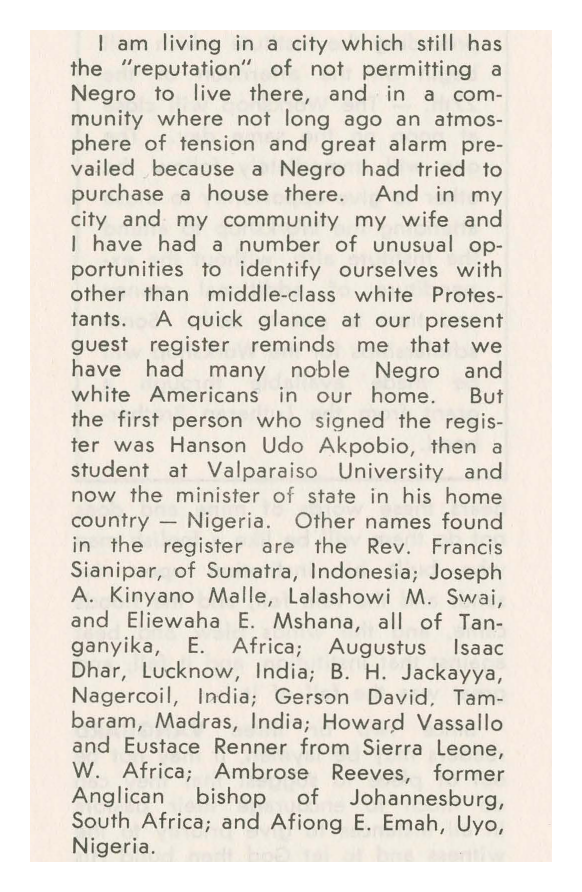
His American years were also the years of the civil rights movement. In January 1962, The Vanguard, the newsletter of the Lutheran Human Relations Association of America, published a column by a pastor in Valparaiso, Indiana, describing how he and his wife opened their home to people of every race in a town known for keeping Black residents out. Among the names in their guest register: "Howard Vassallo and Eustace Renner from Sierra Leone, W. Africa," alongside a future Nigerian minister of state and Ambrose Reeves, the former Anglican bishop of Johannesburg.
Ministry across Africa
Back in Sierra Leone, he joined the church's work in education. By 1965 he headed the Bible Training and Vocational Institute in Bo, a school that paired faith with practical skills. The family later lived in Ibadan, Nigeria, and in Nairobi, Kenya, before returning home in 1975.
For many years he served the United Methodist Church in Sierra Leone as a local pastor, and he worked with the United Christian Council and the Bible Society of Sierra Leone, bodies that brought the country's churches together and put Scripture into people's hands.
"The poor cannot eat theories." The plaque on Eustace Renner's wall
His father raised him to offer people a way to help themselves, and he lived by that conviction.
In 1992 he attended his 30th class reunion at Yale Divinity School. Over lunch he persuaded classmates to host him on a tour across the United States, visiting their churches to raise money for a lending fund for women in Sierra Leone, an idea inspired by the microcredit movement then gaining attention worldwide. He reached his goal of $20,000, returned home, and set up a group of local women to run the fund. It lent women the means to start businesses: seed for a vegetable garden, or a sewing machine to make and sell tie-dyed clothing.
The hard years
The civil war reached his doorstep in the 1990s. In April 1995, writing on the letterhead of the Faith and Fortitude Farm Programme, which he directed, he apologized to American friends for a late reply: he had been "busy helping and finding assistance (especially in food, clothing, blankets and cooking utensils) for the hundreds of women, young people and children who have fled to the Waterloo Village Community" from the rebel incursion. That same spring he had to give up a trip to his Albright class reunion because he could not raise the airfare.
On May 25, 1997, a military coup overran his home town of Waterloo. From June to September the family faced threats, hunger and the confiscation of property, including the pineapple farm he loved.
He developed heart trouble in his later years and died on August 29, 2000, at 69.
His legacy
His Yale classmates closed their remembrance by noting that his son carries his legacy forward through a nonprofit in the United States. That nonprofit is Develop Africa, which helps children in Sierra Leone get an education. The line runs through three generations: a grandmother who fed the hungry of Freetown, a father who lent women the means to earn a living, and a son working to put children in school.
In the records
Photographs
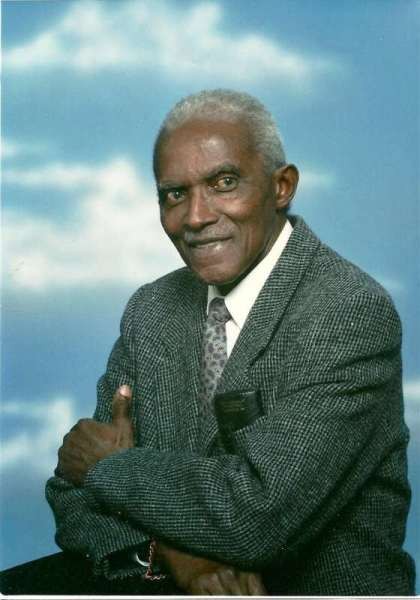
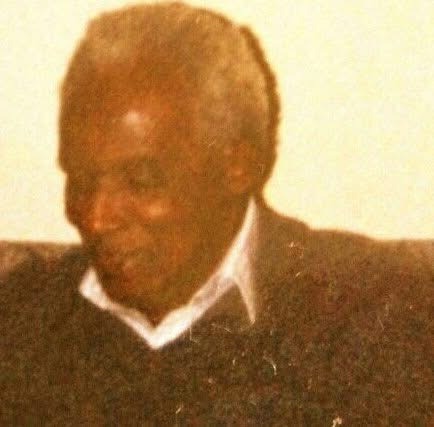
If you can help date any of these photographs, please let us know.
Help us tell his story
Our family is gathering material for a biography of our father. If you knew him as a pastor, a colleague at the Bible Society or the United Christian Council, a classmate at Albright, seminary or Yale, a neighbor in Waterloo, or a member of the family, please share your memories, letters or photographs at memories@sylrenner.com.
Sources: family records; Yale Divinity School Class of 1962, remembrance of Eustace Renner; Manly Signal (November 30, 1961) and Le Mars Daily Sentinel (December 8 and December 18, 1961); Garrett–Evangelical Theological Seminary history; The Vanguard (January 1962), Lutheran Human Relations Association of America, via ValpoScholar; Decatur Daily Democrat (September 19, 1959), via Hoosier State Chronicles; Evangelical Theological Seminary commencement program (May 8, 1961), North Central College Archives; Rev. Emmanuel Munda Wilson (2016); Eustace Renner, letter of April 1995; Willert W. Zahl, His World Was Ours To Share (Hutchinson, Minn.: Crow River Press, 1989).