Six Innovative Educational Resources for Africa
The world has shifted to integrating technology in all facets of our lives. This includes education that is continually moving toward technology adoption. Many countries in Africa have mulled over the introduction of digital learning at all levels of education. Kenya, Rwanda, and South Africa have plans or have implemented programs to ensure access to education for all through the internet.
(c) Readalong.google.com
Early education for kids is crucial as it embeds the needed skills to succeed in the following levels of school. Learning how to read and pronounce words is detrimental to the growth of every learner. In 2020, Google launched an intuitive voice recognition application known as Read Along. The app encourages the child to read words; when they cannot, they can tap on a word and hear how it is pronounced. The app has been a hit among many parents and currently has over 5 million downloads.
From their pilot in India, 64 percent of participants showed increased reading proficiency. The app also uses local stories from Africa to encapsulate the children's experiences. The app is free to download on the Google App Store.
The application can also be accessed by internet-enabled feature phones and ensures that this great product can be accessed by readers at the bottom of the pyramid.
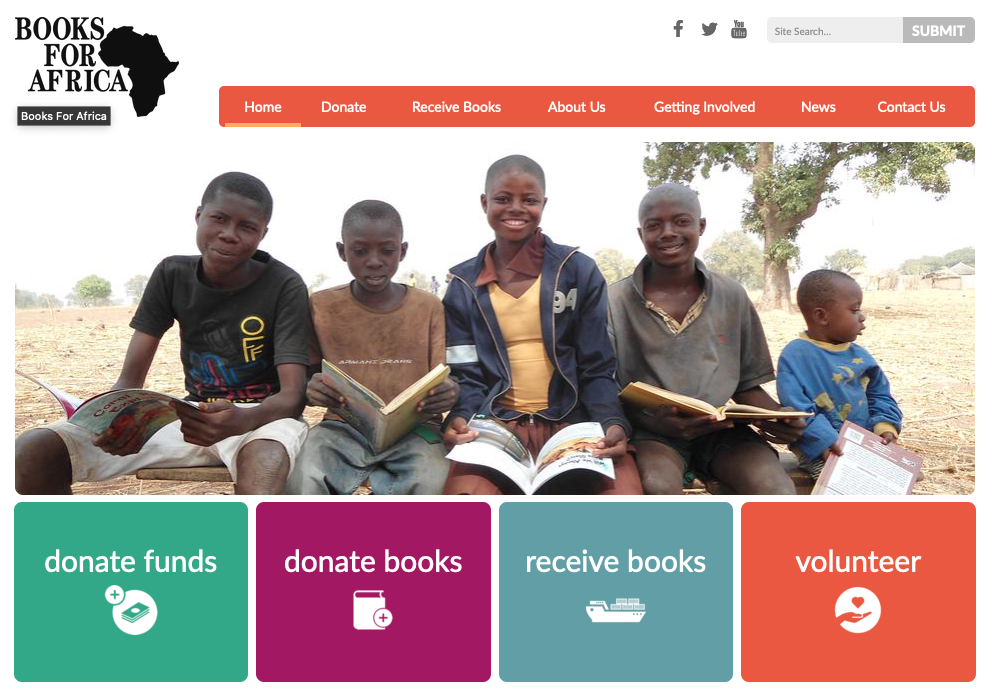
(c) booksforafrica.org
Access to books has always been a challenge in rural and peri-urban areas in Africa. Resources such as public libraries are not well-stocked with books for children to read. Books for Africa seeks to collect books across the globe and donate them to several local institutions in African communities.
"Books for Africa, a nonprofit organization dedicated to collecting, sorting, shipping, and distributing books to people who don't have access to them, has sent more than 50 million donated text and library books to all 55 countries in Africa since the organization was founded in 1988," the organization summarizes.
Source: Booksforafrica.org
Well-wishers, including educational organizations, can easily donate physical books to Books for Africa or send funds and enable them to bring reading opportunities to marginalized students and communities.
For organizations and communities needing reading books, Books for Africa offers a fundraising tool that will enable the communities to ship out a whole container of books. They call them Container Captains.
(c) eKitabu.com
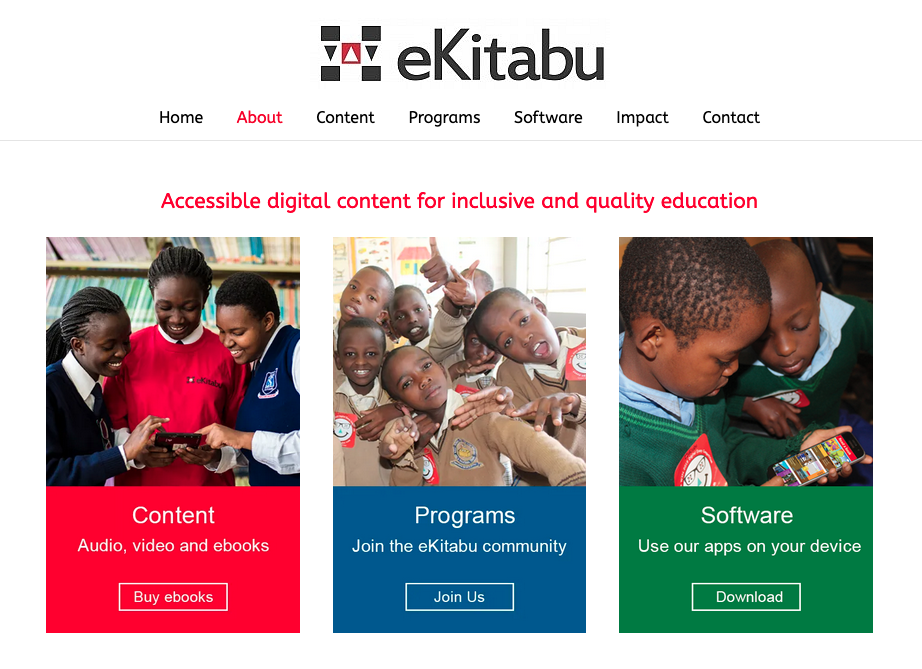
Beyond the initiatives made by organizations such as Books for Africa, access to learning materials persists in Africa. But one thing that could piggyback on the progress of mobile technology is e-books: digitized textbooks for learning. Compared to libraries and books, smartphones and internet-enabled feature phones are pervasive in most African countries.
eKitabu is one of the many companies offering digital books to students. Apart from educational books from renowned publishers in Kenya, eKitabu
offers leisure reads for families on their application. The company is already planning its foray into Rwanda, where access to learning materials mirrors the situation across the continent.
The company has been conducting its renowned digital essay competition to encourage readers and reward top learners across Kenya.
(c) Brck.com
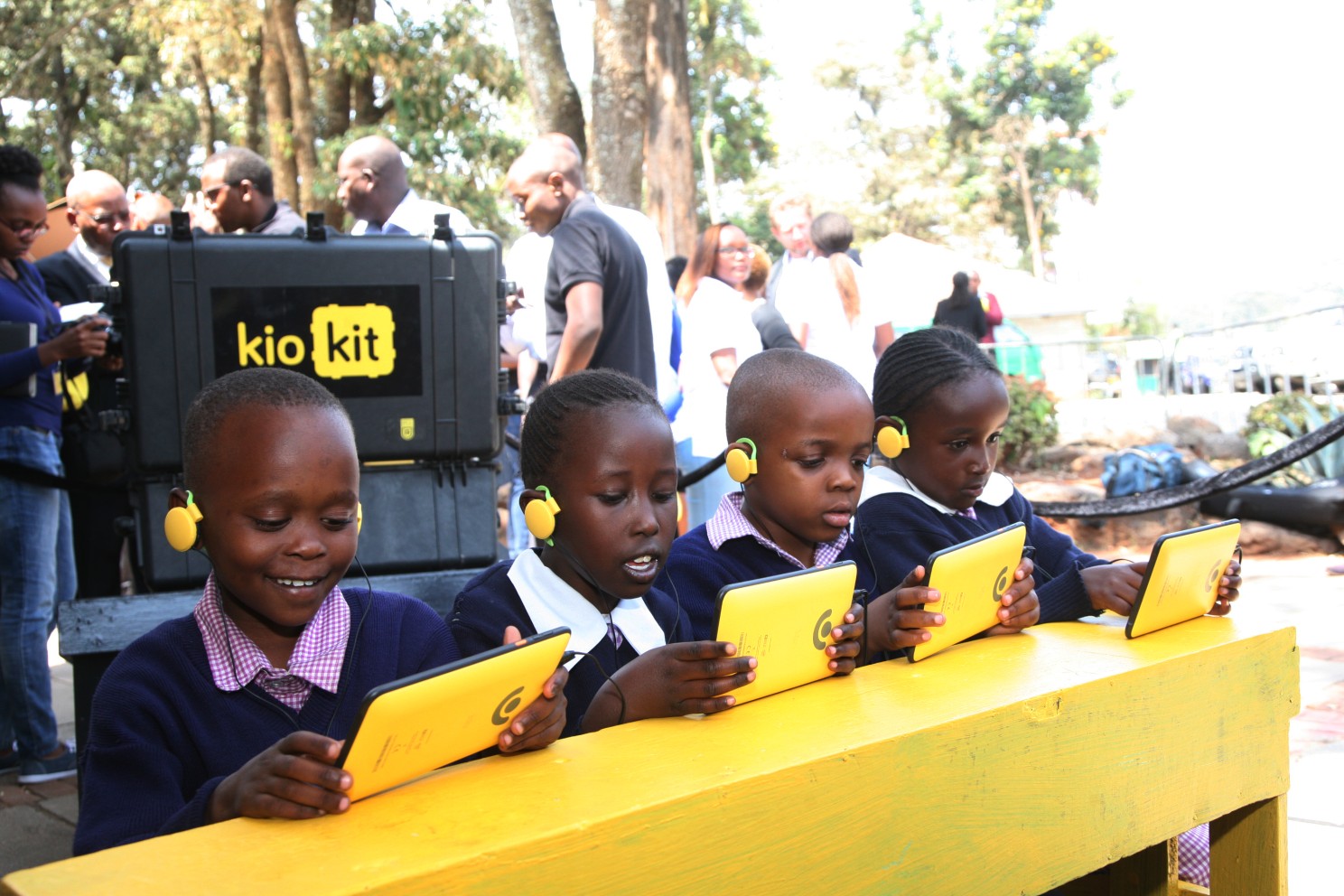
There are many educational tablets for kids; however, the market is flooded with substandard products that can cost you a lot. Kio Kit Tablet is a tablet designed for the African market and created specifically for kids' learning.
The product has been created by Kenya's tech company BRCK and offers a set of 40 tablets, fitted in a single recharging kit and covered in a rugged shell for the African terrain. The company has reached out to thousands of children in over 100 locations across 17 countries, ensuring that learning is enhanced.
The company describes the innovation as:
a simple and elegant solution made up of 40 Kio tablets, a SupaBRCK, wireless tablet charging, and a hardened, water-resistant, lockable case. A single plug is used to charge the Kit and one button to power on the entire system.
Source: Brck.com
(c) Kidatoschool.com
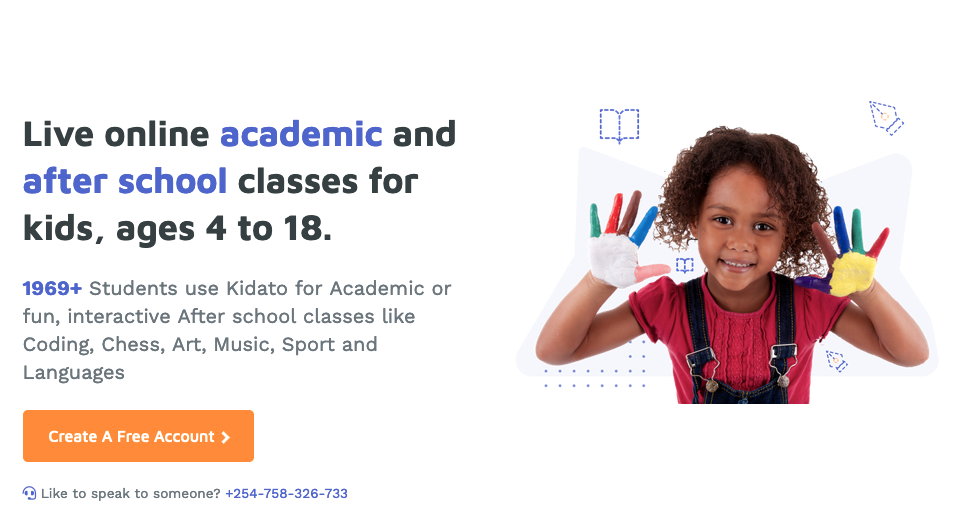
Kidato and Gradely are among many quality online educational platforms that aim to take online education a notch higher. Kidato is a Kenyan-based online learning platform that can be accessed globally. The company has already raised USD 1.2 million to grow its presence in Kenya and onboard many parents. Its curriculum includes school-based programs and after-school modules, including music, robotics, science, and technology.
Gradely is a Nigerian-based education online platform that also provides a quality digital learning experience for kids. The platform offers the Nigeria and British curricula entirely online.
Kidato and Gradely offer teachers and educators an opportunity to create classes and earn extra income. These specialized, often after-school lessons can be purchased and conducted online. Especially during the pandemic, online educational content has been valuable in preserving learning in most countries.
(c) Xander.co.za
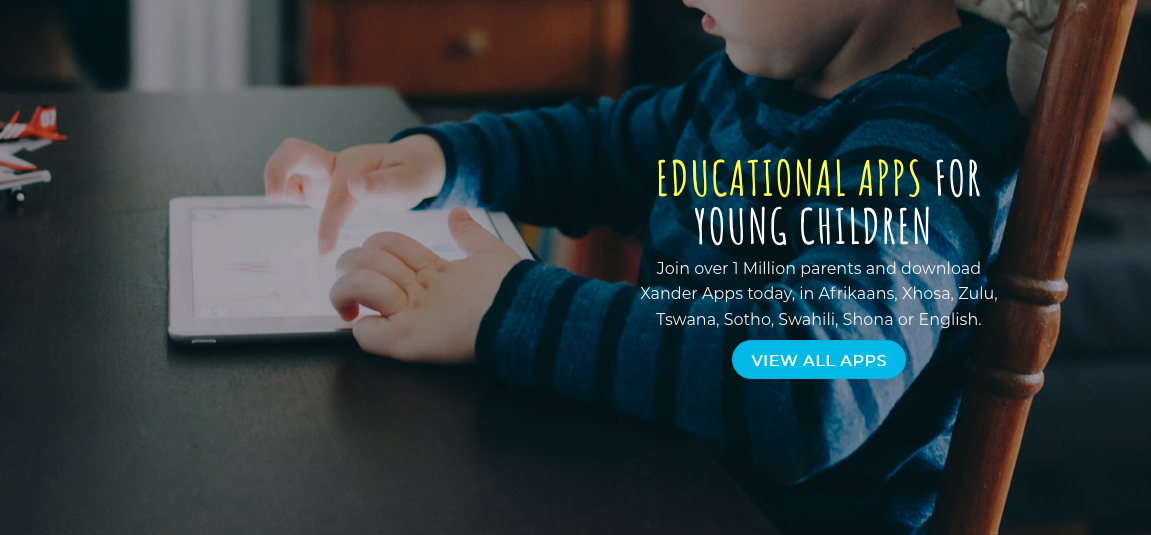
This South African-based platform offers a whole suite of learning apps reaching over 1 million children. The beauty of the application is that it has several African languages baked in, including Xhosa, Afrikaans, Swahili, Tswana, Zulu, and English. In the end, learning becomes suitable in whatever language the child is comfortable with.
The apps range from early childhood education to Math and reading exercises. "Choose from a variety of apps, including 123, Shapes & Colours, Spelling, and many more to develop fine-motor skills, sorting, matching, rhyming, literacy, numeracy, and pattern recognition," the company adds.
Such an array of applications can help kids learn from a 360-degree angle and provide variety. The applications are available on the Android and iOS platforms.
If this kind of content resonates with you, follow me for more stories, lessons, and behind-the-scenes insights from the frontlines of nonprofit leadership. And please — like, share, or comment to help this message reach others who care.|