How can NGOs shift into the new remote/flexible work models?

Over the past few years, work from home or flexible work, popularly acronymed as W.F.H., has dominated conversation all over global workspaces. Some US blue-chip companies have already implemented flexible working options for their employees.
The PwC US Remote Work Survey of January 2021, for instance, showed that the shift in positive attitudes toward remote work is apparent.
"... business leaders [were] more convinced about the productivity gains achieved” nine months into the shift to working from home.
This view was trending in a positive direction, with 83% of employers saying the shift to remote work had been a success, up from 73% who said the same in a survey conducted in June 202,0 saying the change to remote work has been successful for their respective company.
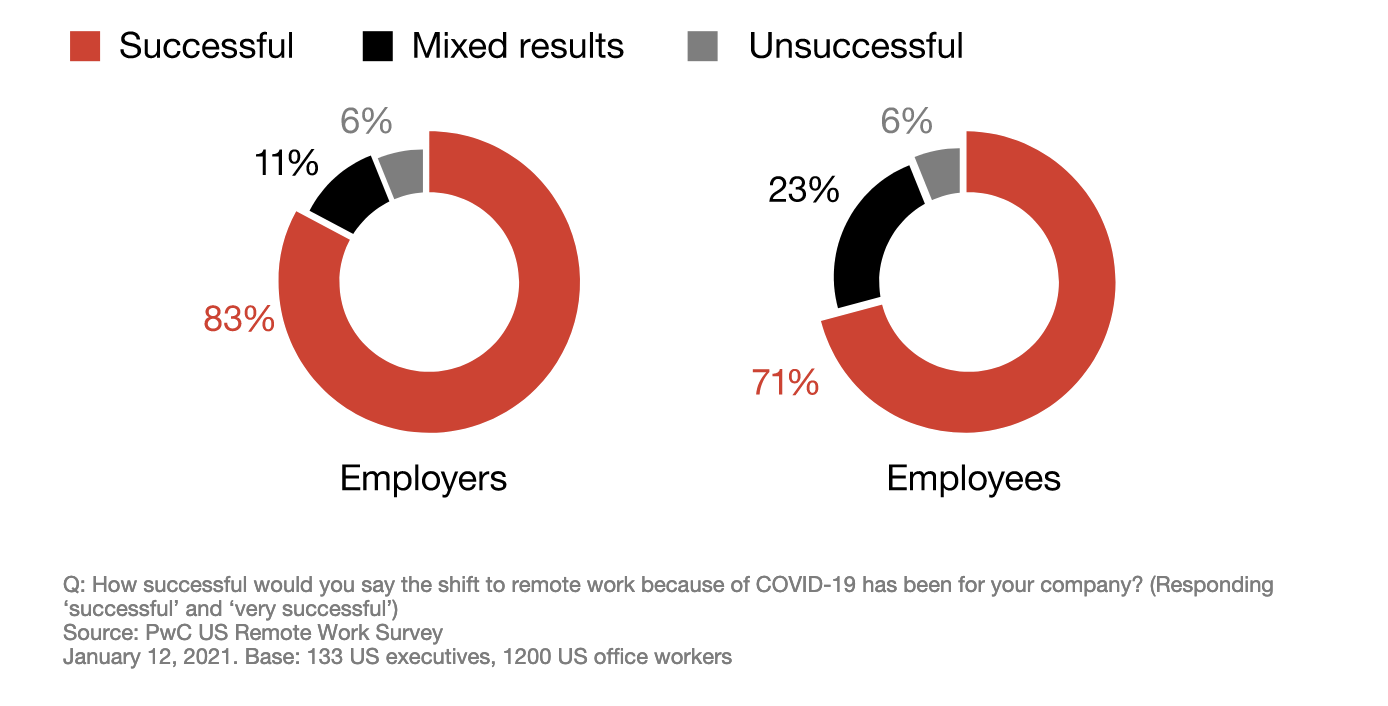
(c) PWC 2021. 83% of employers recorded success in the shift to remote working.
Buoyed by the COVID-19 pandemic, ic which happena ed few years ago, some employees discovered tasks that they could do at home. The demand has been to create work-from-home modalities to ensure flexible working conditions.
Of course, not all jobs can be done remotely. Banking tellers, police officers, jurors, and drivers cannot perform their duties in remote locations such as their homes. However, this has not driven down the talks about flexible working conditions. Millennials and Generation Z are more prone to demand less strict working conditions.
Beyond the demand by employees, there seems to be a positive impact on remote and flexible work conditions.
Employees get more time to attend to personal issues without feeling guilty about leaning over work hours. According to experts, this brings a more rounded employee who can balance work and life. On the other hand, companies realized low office maintenance costs, and even some cut down on square footage. However, dangers to this include having a warped work culture that can strain tools such as communication.
Either way, flexible and remote work is not going away anytime soon, thanks to the massive effect of deterrent measures to curb the spread of the coronavirus in the workplace back in 2019. There are ways non-profits can consider when introducing these new work modules in their companies.
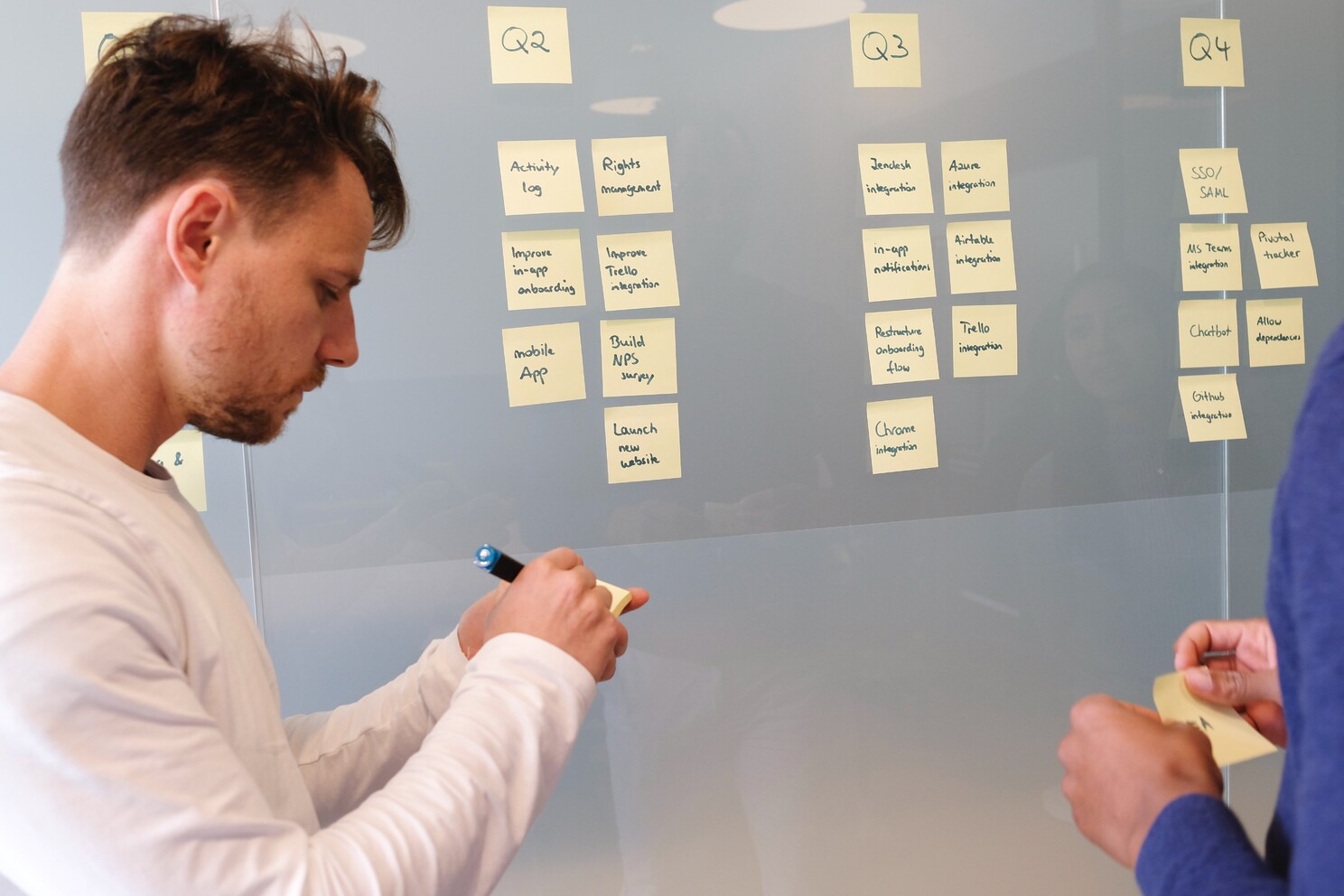
For remote or flexible work to happen, organizational leadership needs to change its mindset on how work can be done and managed. If organizations are still reeling in the old way of “being present means you are working,” then the remote work model might not be an acceptable way. Task-oriented work models can ensure that every employee knows what tasks need to be done by what timeline. In the end, over-the-shoulder management (which employees hate) will be done away with.
Task-oriented management should be mixed with people-centered management to ensure everyone’s well-being in the organization.
Investing in task management software that helps every department have an eagle’s view of the tasks ahead might enable employees to work around their schedule and even entertain the thought of remote work.
An article on Reworked highlights the growing trend of remote or distributed teams that changes the workplace. It indicates that leaders will need to shift their leadership styles to conform to the new way of working.
“Leadership styles vary widely, and there is no one right way to lead a team. But the style a leader chooses will significantly impact their success as a leader. In today’s business environment, leaders need to understand the impact of remote work on operations and retool their leadership style to match the reality of the remote and hybrid workplace,” the article says.

Photo by Kelly Sikkema on Unsplash
For organizations that worked remotely for the last five years, having an audit of what can be done in person and remotely has already been done by default. Some employees thrived working remotely, some suffered due to a lack of access to their primary workplaces, and some even suffered due to fewer opportunities to socialize.
As said earlier, not all jobs can be done remotely, and not all employees want to work remotely. A careful audit needs to be conducted to see how the organization will perform when some tasks or employees are allowed to work away from the primary organization center.
A hybrid model of work also mixes remote and onsite working models , where employees can choose which style fits them.

One of the crucial issues when contemplating a remote working model is the feeling of the staff. As said earlier, not all would appreciate a total switch to remote work. For others, setting up a home office is a tall order, and others thrive amid other co-workers.
Taking note of how everyone had fared during the pandemic, acknowledging their mental well-being can also indicate how to proceed with the remote work.
A 2020 McKinsey study titled "Reimagining the postpandemic workforce" showed that there would be a danger in having two work cultures that might collide in the organization.
“It also risks letting two organizational cultures emerge, dominated by the in-person workers and managers who continue to benefit from the positive elements of co-location and in-person collaboration, while culture and social cohesion for the virtual workforce languish,” the report denoted.
“When this occurs, remote workers can soon feel isolated, disenfranchised, and unhappy, the victims of unintentional behavior in an organization that failed to build a coherent model of, and capabilities for, virtual and in-person work. The sense of belonging, common purpose, and shared identity inspire us to do our best work. Organizational performance deteriorates accordingly,” McKinsey added.
A remedy is having regular virtual and physical meetings to ensure that staff feel part of the team.

Photo by Oscar Nilsson on Unsplash
Investing in tools that can make collaboration and reporting work for organizations can equip employees to be effective as they work remotely. This will also mean that remote staff should have access to a strong and reliable internet connection to take advantage of online tools.
Can these tools increase the expenses of the organization? The answer is not the same across the board. In my view, organizations should invest in these tools whether they are working remotely or not. Even in an on-site working environment, task management tools and collaboration platforms make working seamless.
It is not given that remote work will work for all organizations, in all situations, for all employees. A careful observation of what would work for your organization needs to be all-inclusive to satisfy the needs of everyone and still meet the organization's goals.
Even so, remote, flexible, or hybrid working models are here to stay as most companies have seen a huge benefit in giving their employees and staff greater autonomy over their time.
If this kind of content resonates with you, follow me for more stories, lessons, and behind-the-scenes insights from the frontlines of nonprofit leadership. And please — like, share, or comment to help this message reach others who care.|