How the pandemic has impacted education in Africa
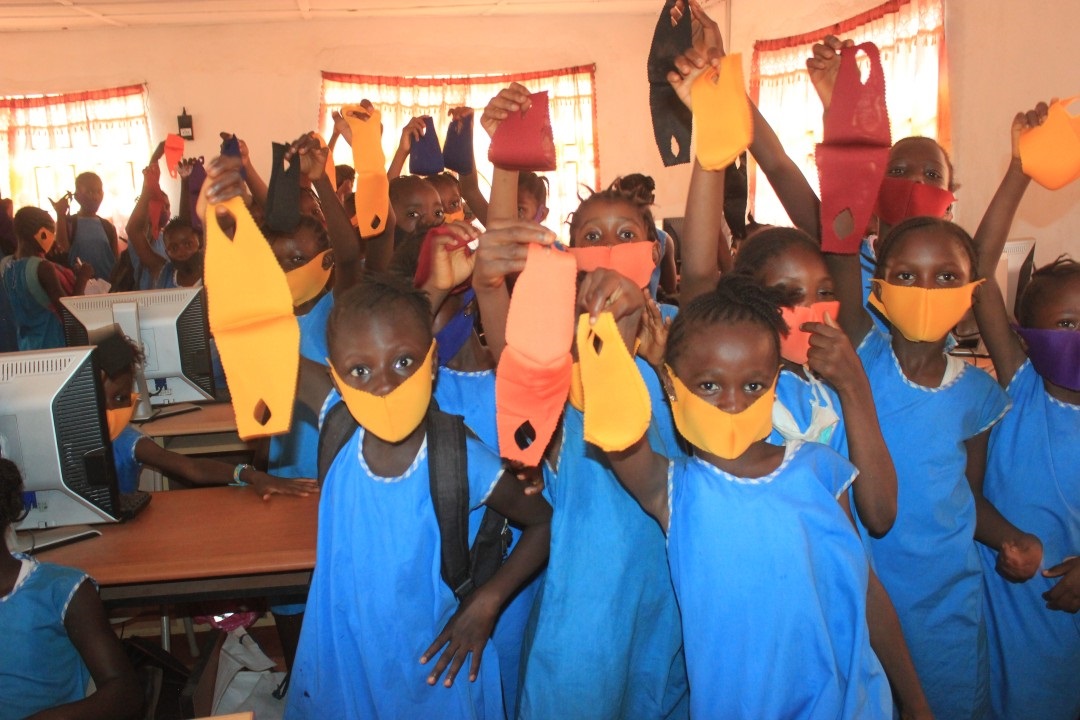
The education system in Africa has faced great strain amid the ongoing COVID-19 pandemic. However, most schools across the continent have reopened but are struggling to give quality education to students.
The challenge in maintaining social distancing in classrooms abounds. Lack of resources to build more classrooms has hindered any efforts to tame the coronavirus spread of the coronavirus in learning institutions. In turn, these challenges have only contributed to the inequalities in education.
"The gradual reopening of learning institutions commenced in June 2020, especially for learners in the examination classes, with some countries planning to reopen either later in the year or in January next year, thereby counting 2020 as a 'lost year'. Whichever is the case, the situation continues to widen the exclusion and inequality gap," a report by the Association for the Development of Education in Africa (ADEA) stated.
The report titled Covid-19 Impact on Education in African Countries says that the different avenues various countries used to reopen schools had mixed results, with few success stories coming out of the continent's education system.
The Impact on Education
No one can deny that the impact of the closure of schools has been nothing but disastrous for the hundreds of millions of learners at primary and secondary levels. Experts believe that children will feel the effects of this closure for years to come as the education inequality deepens.
In some countries, well-funded private education institutions could either conduct successful online classes or continue with formal learning by ensuring safety protocols. However, public schools suffered due to the perennial lack of resources that were compounded by the pandemic.
MasterCard Foundation acknowledges that Africa's workforce will be affected since secondary and tertiary institutions were gravely affected by the closure. Who will bear the brunt? The economy.
"Economic contraction in Africa due to COVID-19 threatens the ability of countries to invest in secondary education at a time when demand is increasing. This will have long term impacts on the future of Africa's labor force, which requires the skills gained through high-quality and relevant secondary education to adapt to a digitized, fast-changing, and globalized world of work," the report titled The Impact of COVID-19 on Secondary Education in Africa, said.
The pandemic has also accelerated the rate of school dropouts. A Global Citizen analysis early this year said that many students in Kenya did not return to school. One of the reasons was that many girls had fallen pregnant over the eight months of school closure, which could adversely affect their economic chances in life.
In September 2020, UNICEF urged governments to safely reopen schools due to the damaging effects that the closure was having on the learners.
"We are at a time of unprecedented population growth," Mohamed Malick Fall, Regional Director for UNICEF in Eastern and Southern Africa, said. "If this expanded workforce can receive quality learning at school, the potential for increased production could sustain an economic boom to drastically reduce poverty in Africa, where currently 70 percent of sub-Saharan Africa's people live on less than US$ 2/day."
Teachers have also borne the brunt of school closure, with most losing some of their livelihood and slipping back into poverty. A Global Partnership article termed teachers as an "indispensable" force in the fight for quality education during the pandemic.
At Côte d'Ivoire's Center for the Promotion of ICTs (CPNTIC), teachers were helped transition to digital learning and were trained in producing digital courses under the supervision of the Ministry of National Education. Without teachers, the return to formal education will be near impossible.
The gradual reopening of schools has given teachers a lifeline, including the rollout of the vaccine across Africa. This will ensure that they can get back on track in disseminating quality education in their respective institutions.
Remote learning as an alternative
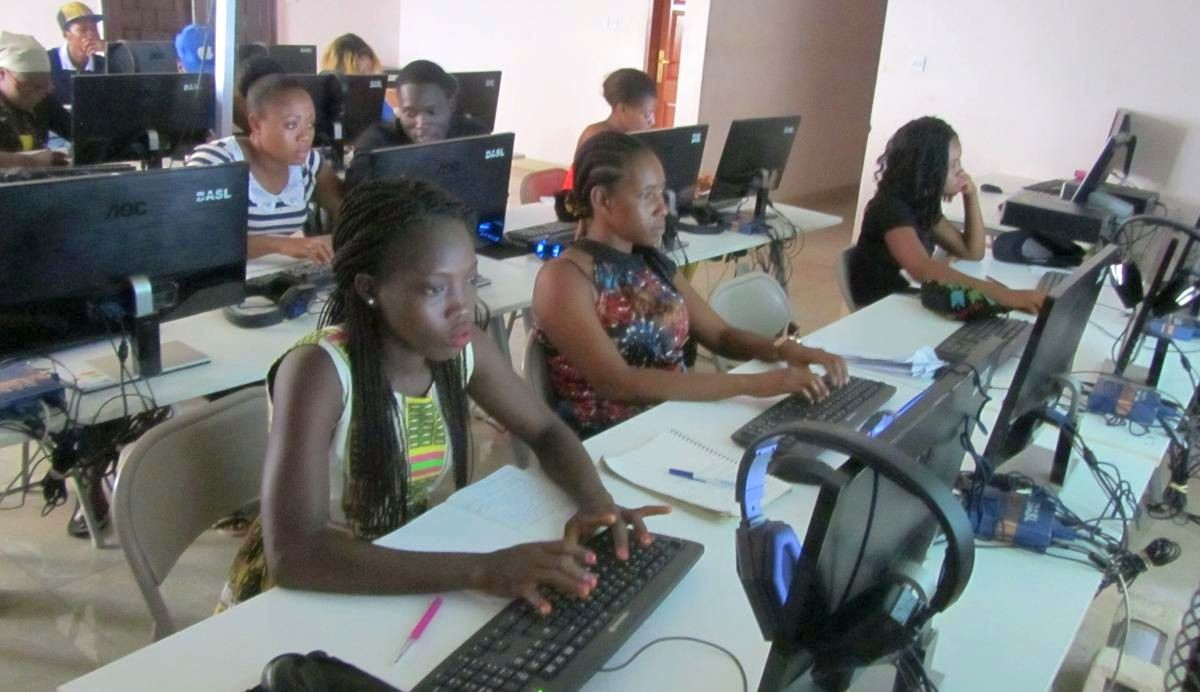
Many countries in Africa tried to implement remote learning in institutions by providing channels such as the internet, mobile-based education, television, and radio. This has not worked out primarily since the infrastructure is lacking, mainly in the far-flung rural areas.
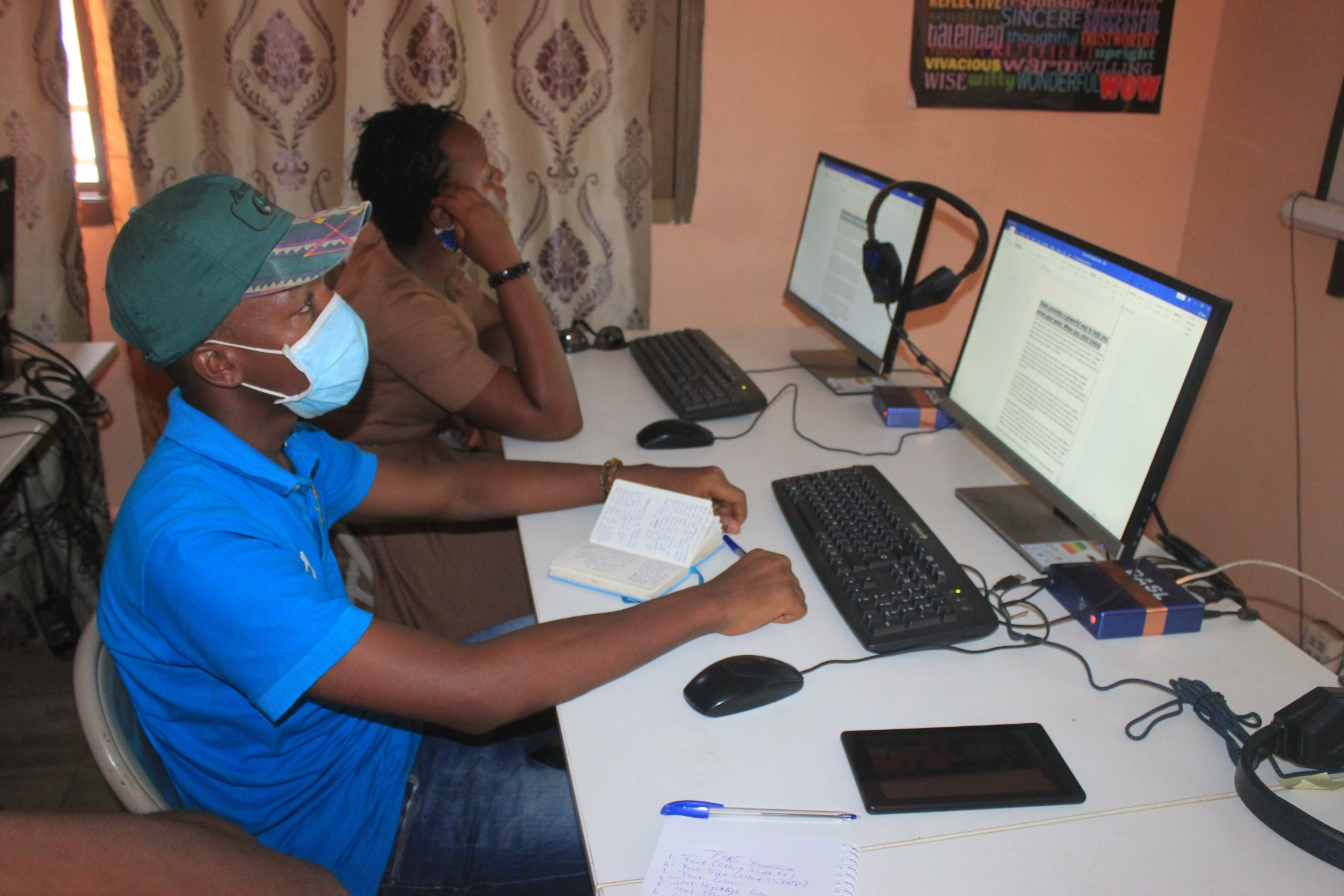
EdTech Hub and eLearning Africa's survey, The Effect of COVID-19 on Education in Africa and its Implications for the Use of Technology, interviewed 1,650 educationalists across 52 countries in Africa on their perspectives on the impact of COVID-19. The results pointed to an opportunity to use technology for education.
"A lack of access to technology is considered to be the biggest barrier for learning during the current pandemic,c together with school closures. Respondents felt that learners in rural communities are those most likely to be disadvantaged as a result. The most cited limitation is the lack of availability and affordability of connectivity," the report said.
Infrastructure such as electricity has ensured that most schools cannot afford to put in place ICT equipment to enable distance learning, as documented in the report:
Hossam, a teacher from Rwanda, was worried that "the poor communities will be completely left behind. With the lack of electricity and limited capacity to buy ICT equipment, this move will only increase the gap between the poor and the rich."
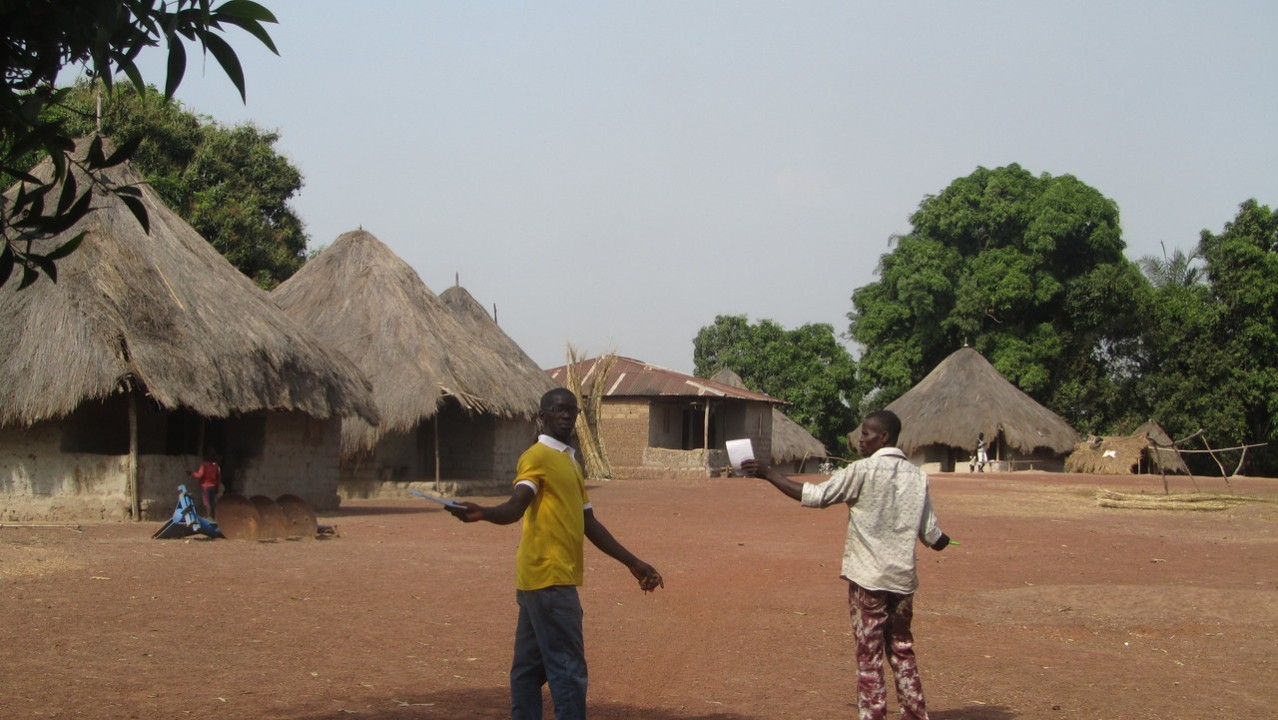
Tafadzwa of Zimbabwe, a Principal, told us: "There are remote areas where there is no electricity, the roads are inaccessible, and some teachers have never used a computer, let alone had access to the internet."
A teacher from Ghana said that governments must focus on putting in place infrastructure to aid e-learning. As it is, tools to help in distance learning are not there. This is replicated in many countries in Africa with varying degrees.
Way forward
The pandemic has taught the world many lessons in disaster management, especially at this global scale. The suspension of learning in many countries has devastated families and children alike, with abhorrent practices like early marriages being on the rise.
The Association on Development of Education in Africa (ADEA) advocates for governments to learn from the COVID-19 experience to put in place measures to ensure that all students can access education either in person or remotely.
It states: "First, it is vital to address the education needs of communities affected by, and disposed to, crises. Secondly, the public-private partnership is of crucial importance in this kind of emergency (e.g., to help in the cost of ICT infrastructure and internet access for both teachers and learners)."
A GSMA report, titled Education For All in the Time of COVID-19: How EdTech can be Part of the Solution, puts technology as a long-lasting solution to aid education beyond the pandemic.
"Low-tech solutions, such as SMS-based learning systems, have unlocked learning opportunities for the underserved via basic feature phones and offline access options. Mobile technology has also been at the center of partnership strategies for many EdTech providers, accelerating the impact of online learning solutions," it said.
Even though technology is poised to be a game-changer, governments cannot absolve themselves from building schools, training teachers, and allocating funds to rebuild the tattered sector. Human capital, in the end, drives development in a country, and creating formidable human capital needs solid educational institutions.
The damaging effects of the COVID-19 pandemic will be felt for many years to come. But African countries, just like the rest of the world, should take the lessons learned in strides and begin to fill the loopholes that the pandemic has exposed.