Without a Leader, Black Ants are Confused

In 2017, the Mo Ibrahim Foundation, which seeks to give awards to former heads of state, failed to secure a worthy candidate for good leadership for a second year running. This was not the first time the award missed a nominee. Since its inception in 2006, the foundation has awarded six African leaders (including the honorary award for Nelson Mandela in 2007).
The Mo Ibrahim Prize aims to give the award to presidents who have been democratically elected and have left power according to their constitution. These gaps in awards speak loudly of the scarcity of unsullied leadership on the continent.

Photo by Element5 Digital on Unsplash
Any expert would argue that Africa’s big problems, including corruption, underdevelopment, and erratic violence, are pegged on the quality of leadership we see across the continent. In whichever issue African societies face, they all lead to the leadership at hand.
A powerful commentary appearing on the WeForum website, written by Sam Adeyemi, Ph.D., then a student the at the School of Business & Leadership, Regent University, that states:
“Incompetence in leadership in most African countries is not only the problem of people who occupy positions in government; it is a reflection of the leadership culture. We’ve had different leaders with the same results for decades. The power distance that exists between leaders in government and citizens is also reflected in organizations and families.”
It adds that:
“Opportunities for developing leaders have never been greater in our increasingly complex world. Diagnosing leadership development needs, especially in Africa, requires an assessment of the entire leadership culture.”
Black garden ants are an interesting group of creatures to observe as they go about their business. They tend to walk around in groups, usually in a line formation, with one ant following another, all led by a principal ant.
If, for any reason, the leader veers off his course, the whole formation is led astray. The ants lose their focus and start walking in all directions, some bumping into each other as they try to figure out where they were going. Chaos ensues.
Human beings are not any different from this ant's characteristic quality. Quality leadership has been a coveted trait in many societies across the globe.
The proverb, “Without a leader, the black ants are confused”, alludes to the necessity of having leaders - and good leaders at that - who can provide direction when it is needed.
One of the key functions of a leader is the ability to anticipate the needs of the people whom he or she is serving. Direction and guidance are the utmost qualities needed in leadership. This enables them to realize a particular goal that they set out to achieve.
Consider the behavior of the ants: many times, they work together to find some food to eat and to take back to their colonies. Many times, they carry heavy supplies, up to 100 times their weight, back to their colonies.

Image FX: Little black ants with a heavy food supply
Africa’s independence struggle era is rife with stories of the great local leaders who risked everything for their people. They would fight for a better future for their countrymen, one in which they would be free.
From the East to the West Coast, the people of Africa rallied behind their leaders in countless attempts to secure their future. Many revolts were unsuccessful at first, but still were quite spirited. The colonial powers of the time quickly became aware of one thing that helped them quash many a rebellion.
If they took the leaders of the people away or turned their interests away from those of their people, then they could very easily take charge.
They destabilized the seats of power in many communities by fanning local conflicts to topple the leaders. The colonialists took advantage of the leadership vacuum to the detriment of the local people.
What then is the importance of a leader? What then is the necessity of having someone in charge and calling the shots? Does it make a difference whether a leader is present or not?
This proverb clearly illustrates what the absence of a leader can do to any community or group of people. Human beings were designed to work together in groups and in teams to achieve common goals. Where there is a group of people with a goal, they will require a leader.
All of the achievements of human history have been enabled by people coming together to advance a particular agenda or cause, usually led by an individual who was able to rally the numbers to push for change.
Not just any individual, but one who sets an example to be emulated by the people who look up to them. The best kind of leader is one who inspires the people working under them and with them to be better; a leader whose character is unquestionable, whose work ethic is impeccable, and who is respected.
A person with a sense of morality, who is aware of what is right and wrong, and bases his decisions on causes that would benefit society, is a suitable leader.
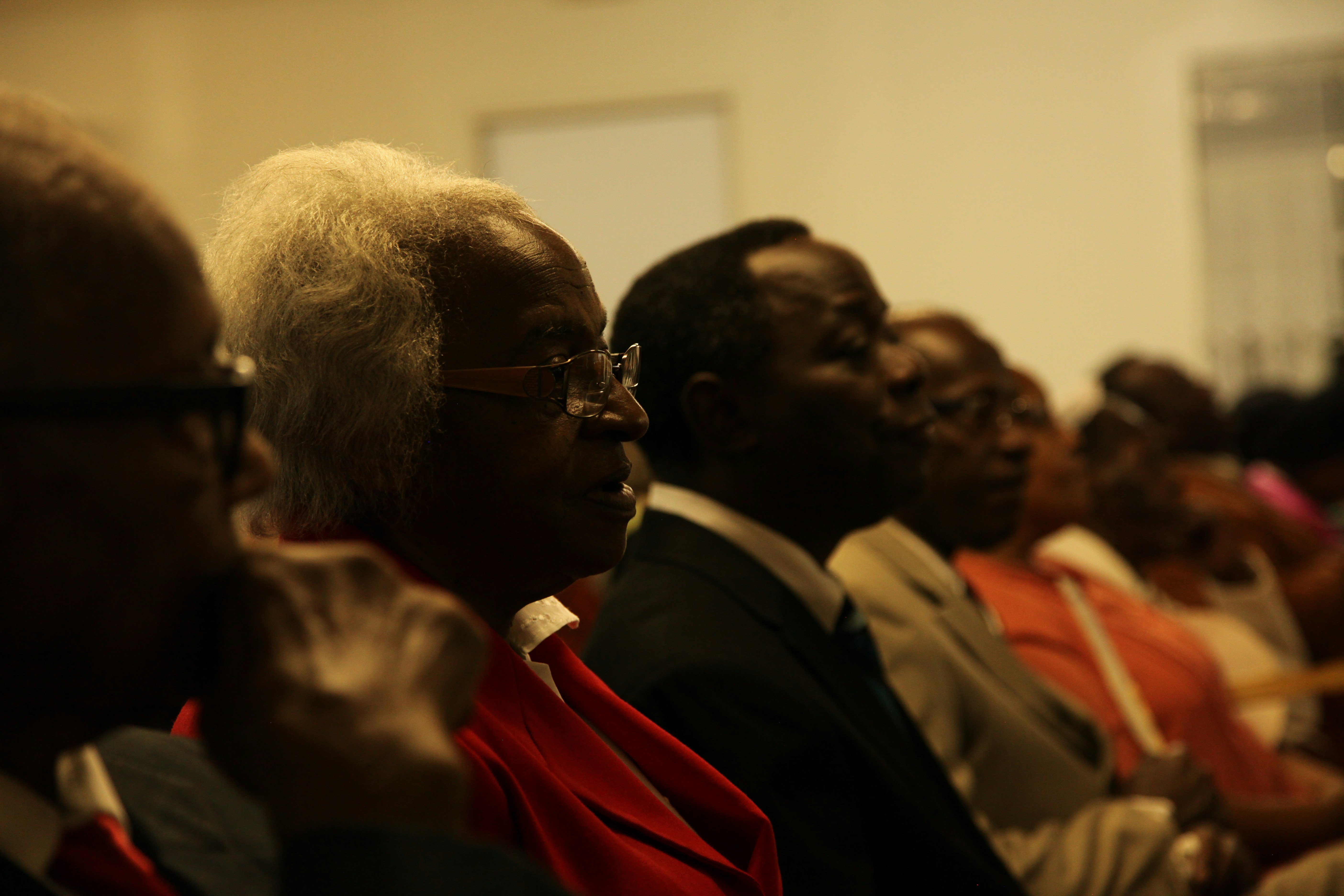
Photo by Clive Thibela on Unsplash
African nations at this particular moment in time are in dire need of great leaders who will not only exercise power and authority and give direction, but also bring positive change to their people. They will not just use their positions of authority for their benefit but for the benefit of the people that they represent. Contrary to this, the people of this continent will continually be confused, to their detriment.
If this kind of content resonates with you, follow me for more stories, lessons, and behind-the-scenes insights from the frontlines of nonprofit leadership. And please — like, share, or comment to help this message reach others who care.