The World Still Isn’t Ready — And That’s On Us
When the news broke about the Ebola outbreak in the Democratic Republic of Congo, my mind went straight back to 2014-2015. And I thought about all the lessons we learned. Then I thought about whether we'd actually learned them.
The answer is complicated.
Before I explain why we should be preparing, let me be clear: Sierra Leone is not currently at high risk. The outbreak is centered in the Democratic Republic of Congo and Uganda, thousands of miles away. But the strain causing it—Bundibugyo virus—is unlike anything we've faced before.
Here's what makes this outbreak worth our attention and preparation:
No vaccine. No proven treatment. No playbook.
In the 2014-2015 outbreak that devastated West Africa, we were dealing with Zaire ebolavirus. We've since developed vaccines for that strain. But the current outbreak is caused by the Bundibugyo virus, a rare strain that has only surfaced in documented human outbreaks three times in history—once in Uganda in 2007, once in DRC in 2012, and now in 2026. There is no licensed vaccine for this virus. There are no approved treatments. The world's experience with this particular threat is essentially zero.
Yes, Bundibugyo carries a lower fatality rate (30-40% versus up to 90% for Zaire). That's good news. But the bad news is that this outbreak is spreading in the worst possible conditions: areas with armed conflict, dense urban centers that are major transport hubs, and extensive cross-border trade. It's a less deadly virus in far more challenging containment circumstances.
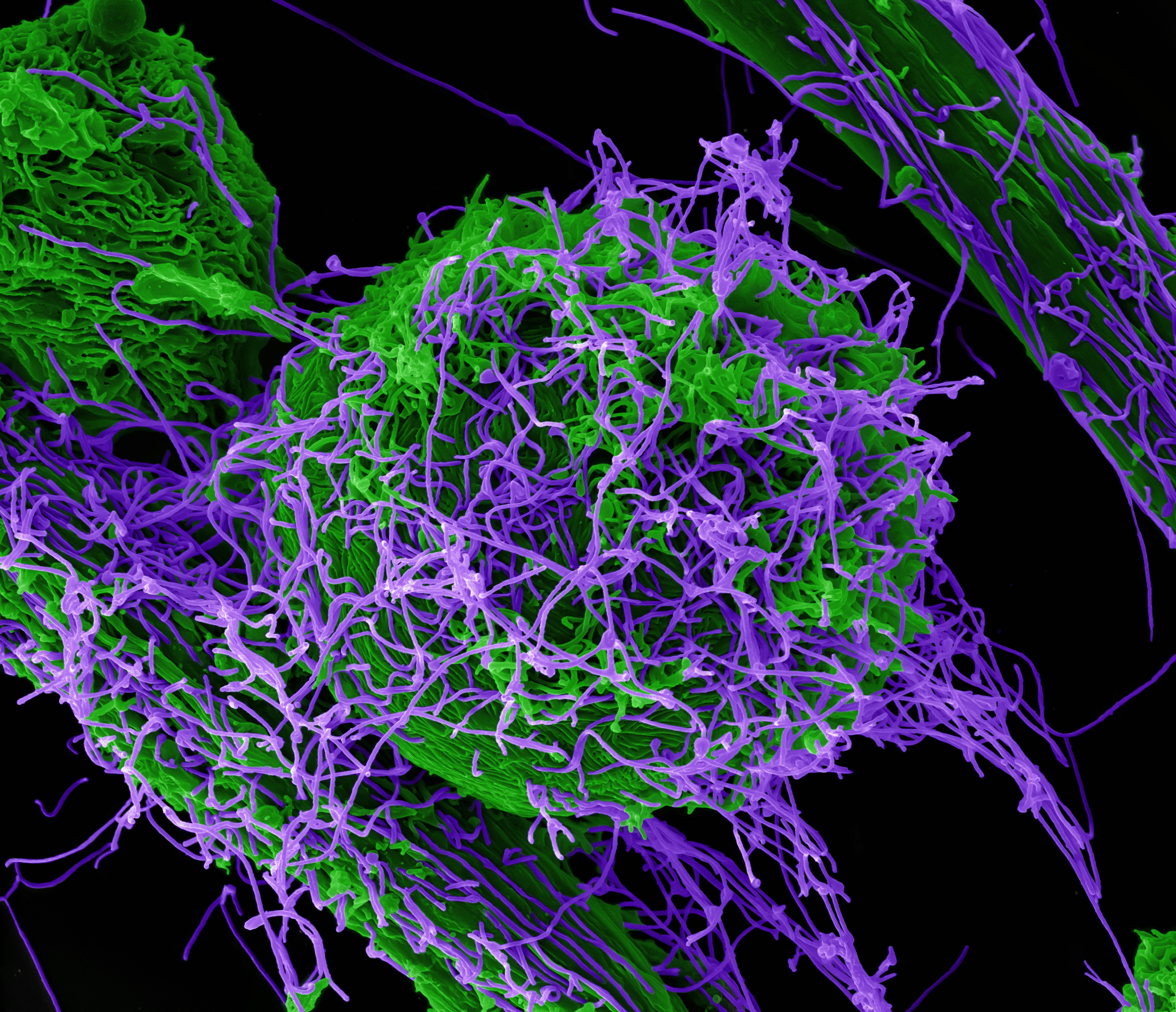
Photo by National Institute of Allergy and Infectious Diseases on Unsplash
An economy already stretched thin cannot absorb another crisis.
And here's what is making me pay attention: Sierra Leone and much of Africa are already economically strained. Healthcare systems are underfunded. Supply chains are fragile. Communities are barely managing. An Ebola outbreak—even one that doesn't reach Sierra Leone—would disrupt trade, tourism, investment, and the fragile economic stability that allows families to survive. The secondary effects of a regional Ebola crisis could devastate economies that can't afford disruption.
This is not hypothetical. We saw it in 2014-2015. The economic impact across West Africa extended far beyond the infected regions. Borders closed. Trade stopped. Investment fled. Communities that never saw a single case still suffered economic collapse.
We live in a global village now anyway.
It's tempting to look at an outbreak thousands of miles away and think, "That's not our problem." But that thinking is obsolete. A person gets on a plane in Kinshasa, and 18 hours later, they're in London, New York, or Lagos. What happens in one country doesn't stay there—it travels. It spreads. It becomes everyone's problem.
We learned this with COVID-19. We learned it with Ebola in 2014-2015. Yet somehow, when the next outbreak hits, we act surprised.
The hard truth is this: most of the world is not thinking about epidemics right now. And that's understandable, in a way. People are dealing with bread-and-butter issues. They're scrambling to put food on the table, keep their kids healthy, and improve their standard of living. There's no bandwidth left to think about "what if." Even at the government level, in organizations, and in health ministries, when budgets get tight, the first things to get cut are the programs that prevent crises that might happen. Prevention feels like a luxury.
That's the trap we keep falling into.
Here's what I observed during the 2014-2015 Ebola outbreak in Sierra Leone and what I'm seeing now: we are tragically unprepared. The world waits until people are dying, then scrambles to respond. We react instead of being proactive. We chase the crisis instead of getting ahead of it.
Think about it. When cases start appearing, organizations have to:
All of this takes time. Weeks. Sometimes months. And people die while we're arranging the response.
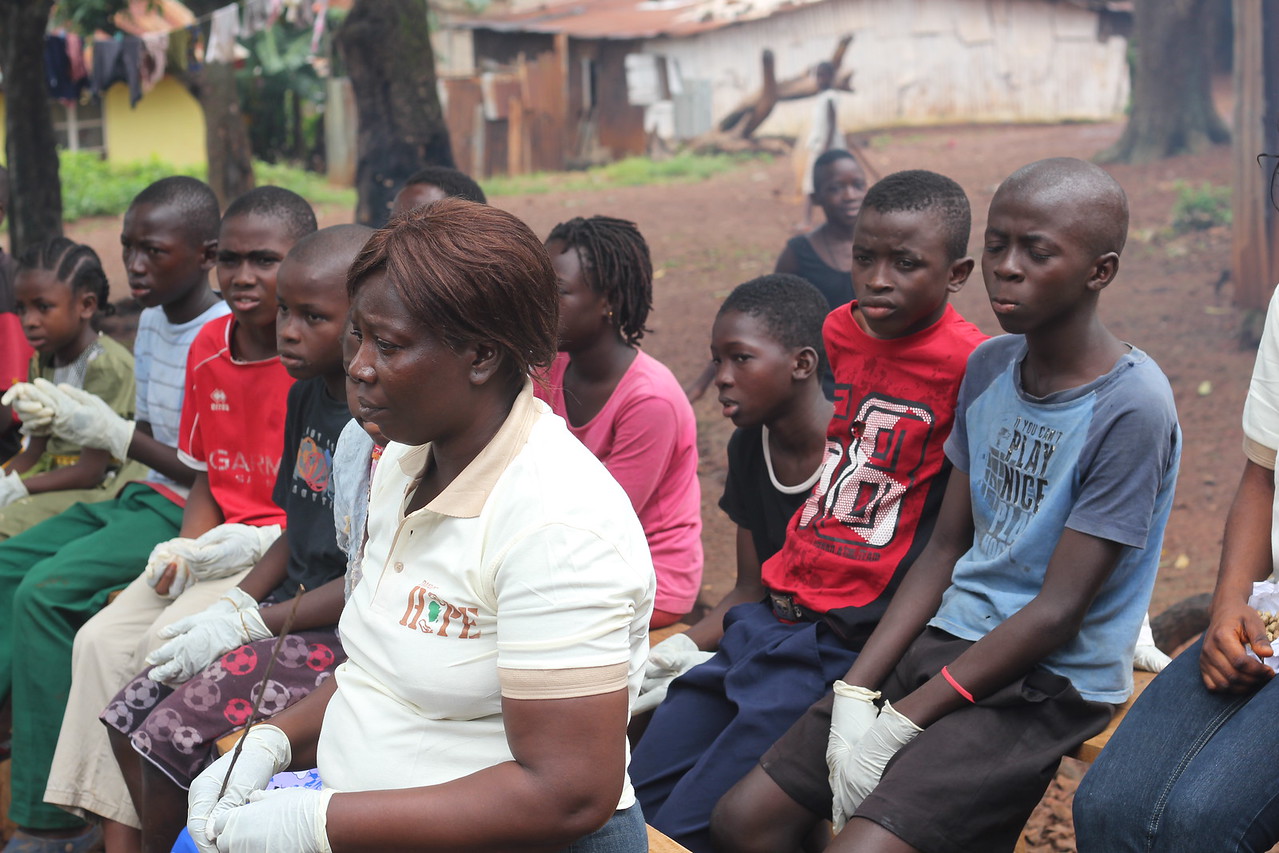
In 2014-2015, we lost nurses and doctors in Sierra Leone who didn't have adequate PPE. Not because we didn't care. Not because we didn't want to help. But because we were working after the fact, we were scrambling to get supplies in place while the outbreak was already spreading. By then, it was too late for some.
This should outrage us. It should also make us ask, "What if we didn't wait until people were sick to prepare?"
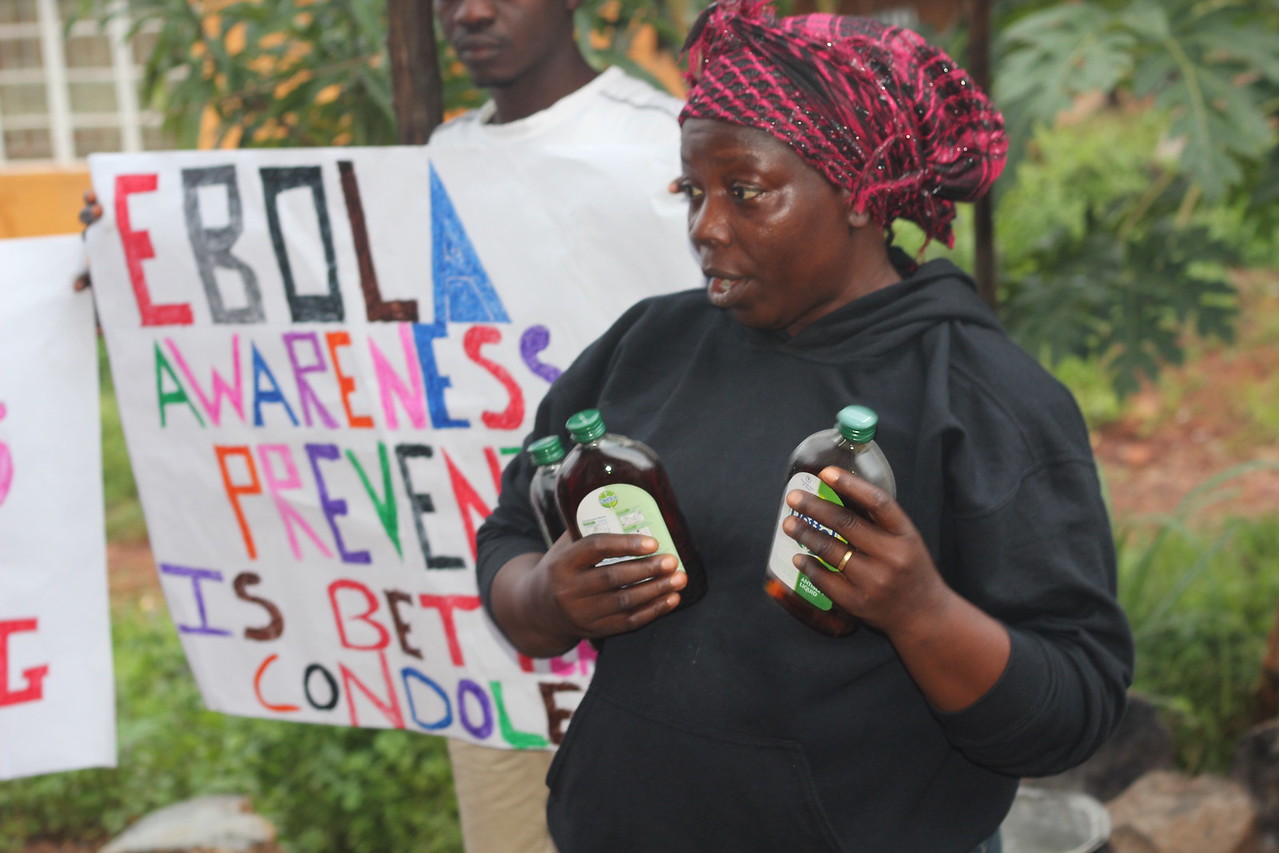
Here's something else I want to be honest about: the timing of this outbreak is economically precarious.
Many African economies are already fragile. Healthcare systems are underfunded. Supply chains are stretched. Families and small businesses are operating on thin margins. When an Ebola outbreak hits—even in a distant country—the ripple effects are immediate and devastating:
Trade stops. Borders close. Goods don't move. Small farmers can't sell their crops. Traders lose their livelihoods.
Investment flees. When there's fear, capital disappears. It doesn't just disappear from outbreak zones — it disappears from entire regions and countries that investors perceive as risky.
Economies crater. In 2014-2015, West Africa didn't just lose lives to Ebola. Communities that never had a single case lost income, stability, and hope. Schools closed. Children stopped going to school. Economic damage lasted for years.
A cascading economic crisis across Central and East Africa — triggered by Ebola but spreading through trade networks and investment flows — could devastate West Africa all over again. And this time, the systems are even more fragile.
For Sierra Leone specifically, we're already dealing with inflation, education disruption, healthcare gaps, and the slow recovery from COVID-19. An Ebola scare in the region — even if it doesn't reach our shores — could trigger the same economic collapse we saw in 2014-2015. And this time, we're less prepared to absorb it.
After the COVID-19 pandemic ended, Amazon reached out to organizations like ours. They had a massive stockpile of cloth masks and were offering them for free. We'd only have to pay shipping.
I remember thinking, We'll probably never use these. Why spend money on shipping masks we might not need?
But then I thought differently. We have them available. The shipping cost is small. And if there's ever an outbreak, we won't be scrambling. We'll be ready.
So we shipped them. Today, in May 2026, we have 1,650 cloth masks already in Freetown, ready for distribution.
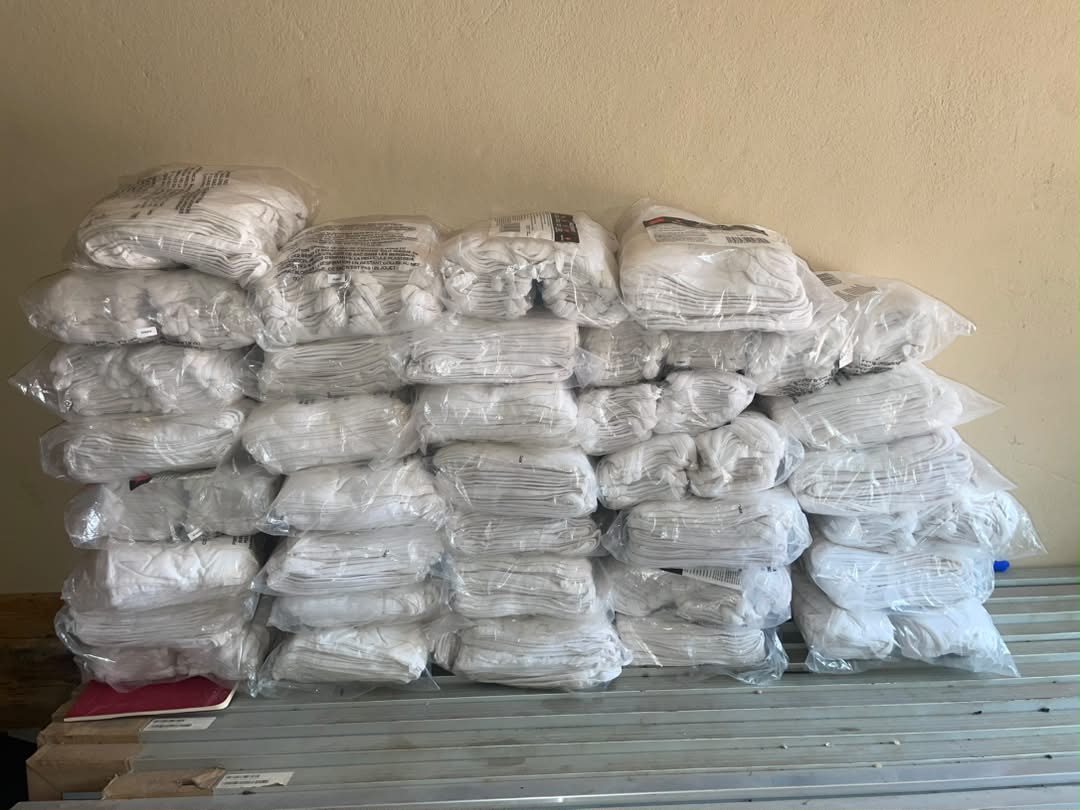
And now, with news of this new outbreak, I'm incredibly grateful we made that decision.
This is the difference between reactivity and preparedness. It's the difference between heroic scrambling and strategic positioning. It's the difference between losing lives and saving them.
And here's what's important: it didn't require millions of dollars. It required forward thinking.
Individual organizations, families, communities—we can all do versions of this. Pre-position supplies. Build relationships with local vendors ahead of time. Think through scenarios before they arrive. Get ahead of the curve instead of chasing it.
But that's not enough because individual preparedness has limits.
I want to be honest about something: most people in Sierra Leone — most people anywhere — cannot prepare for an epidemic on their own. They're focused on survival. On daily needs. On stability.
This is where governments, health systems, international organizations, and coordinated responses have to step in.
People depend on their governments to protect them. To establish screening protocols. To fund the health ministries. To maintain disease surveillance systems. To think ahead about what happens if... To say, "We might not need this tomorrow, but we need to be ready."
But often, those systems are underfunded. Defunded. Deprioritized.

Photo by Towfiqu barbhuiya on Unsplash
I don't know if there are adequate offices for communicable diseases in different countries. I don't know if the World Health Organization has the funding it needs. I don't know if governments globally are saying, "This is a priority," or if they're saying, "We'll deal with it if it happens."
What I do know is this: we can predict the future from the past. If we don't get serious about preparedness now—about monitoring, screening flights from affected regions, pre-positioning resources, and funding prevention—this will spread globally again. And we'll face another pandemic with unnecessary loss of life and resources.
That's not fate. That's a choice.
If I were in a position to decide, here's what I'd be pushing for:
On the government and international level:
On the organizational level:
On the community level:
None of this requires waiting for perfect information. It requires deciding, right now, that preparedness matters.
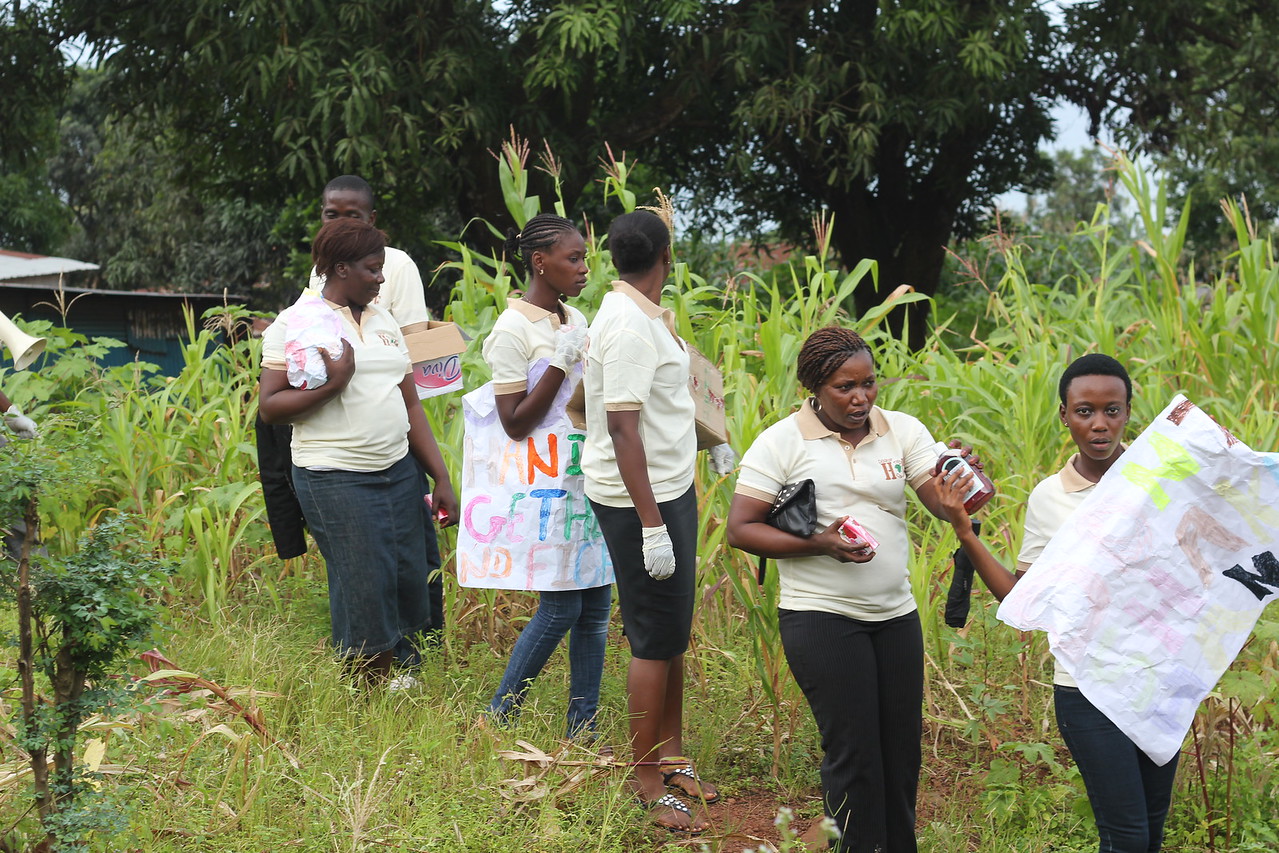
We're not waiting for the next outbreak to hit before we prepare. We're actively:
And we're doing something else: we're maintaining an emergency fund that gives us flexibility to respond as conditions change.
This is crucial. Because we can't predict exactly what will be needed. Maybe it's masks or PPE. Maybe it's food for quarantined families. Maybe it's an emergency shelter. Your gift means we can move immediately to address what's actually needed on the ground.
Here's what I'm inviting: think like preparedness is the status quo. Not just an option.
If you lead a nonprofit, think about what forward positioning looks like for your work. If you work in government or health systems, push for prevention funding alongside response capacity. If you're a donor, consider giving unrestricted emergency funds to organizations with deep roots in their communities. If you're an individual, stay informed. Stay aware. Understand that we live in a connected world.
This isn't about panic. It's about clarity. It's about deciding, right now, that we're not going to scramble reactively next time. We're going to be ready.
Develop Africa was ready in 2014-2015 because we had deep roots in Sierra Leone, trusted relationships, and a team that could move fast. We're preparing now so we don't have to be heroic later—we can just be effective.
If you want to support that preparedness and give us the flexibility to respond quickly to any situation—whether it's supplies, training, rapid response, or something we haven't anticipated yet — donate to our Emergency Response Fund.
But more than that: wherever you are, whatever you do, start thinking like preparedness is your responsibility. Because in a global village, it is.
We learned this lesson in 2014-2015. The question is whether we're actually going to act on it.
Sylvester Renner is Founder and President of Develop Africa Inc., a 501(c)(3) nonprofit focused on educational access and community resilience in Sierra Leone. He represented Develop Africa during the 2014-2015 Ebola response and is the author of Mission to Systems: A Governance Framework for Nonprofit Leaders.