Looking Back: A Conversation with Rinaz Jamal, Founder of Ubuntu 4 Humanity
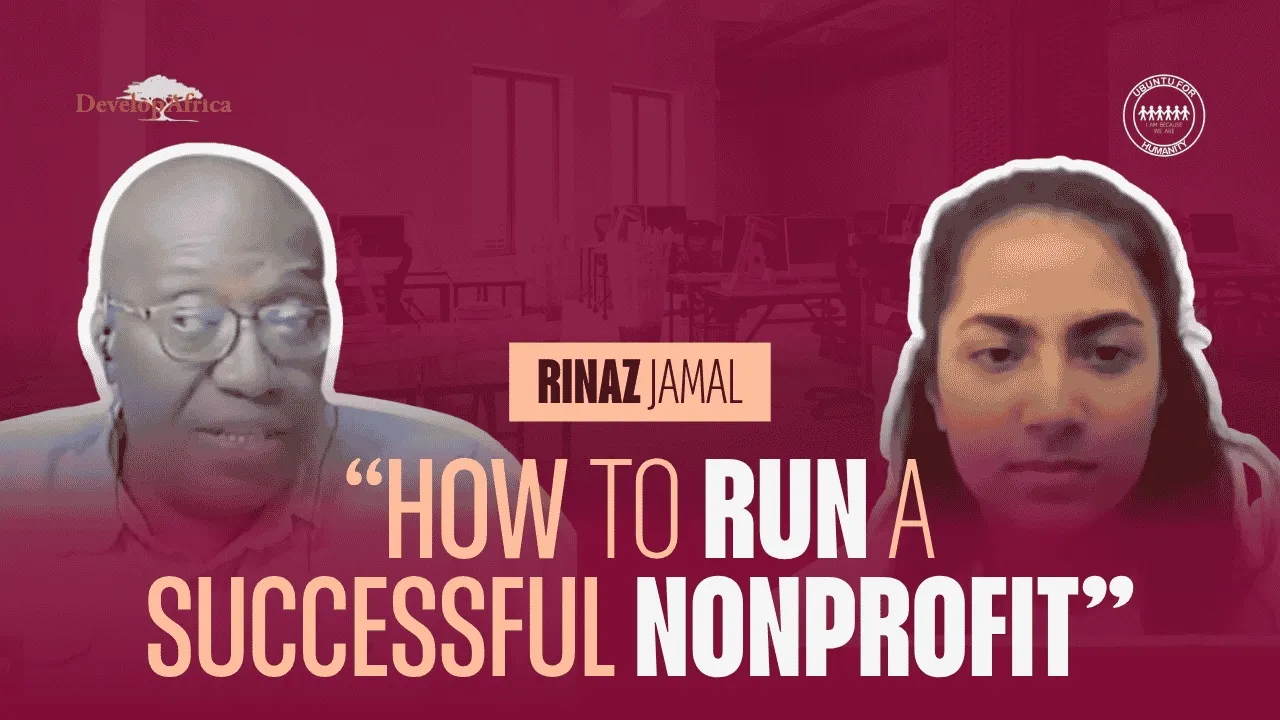
Every so often I go back and watch one of our old interviews, and this one, recorded in August 2024 with Rinaz Jamal, founder of Ubuntu 4 Humanity, is one I still think about.
Rinaz told me she started her organization as an 8th grader, after a week in a Harvard international relations scholars program focused on sub-Saharan Africa. She went in, by her own account, carrying the standard stereotypes of poverty and conflict and came out convinced the region's youth simply needed resources to match their potential. By the end of that week, she'd decided to found Ubuntu 4 Humanity, named for the philosophy of “I am because we are.” Hearing a young person describe Develop Africa as part of that journey is the kind of thing that reminds me why we keep doing this work.
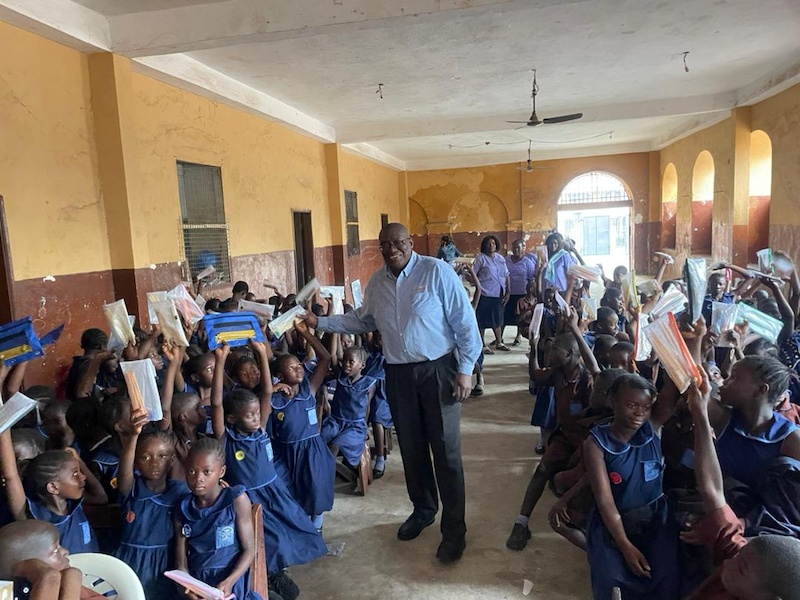
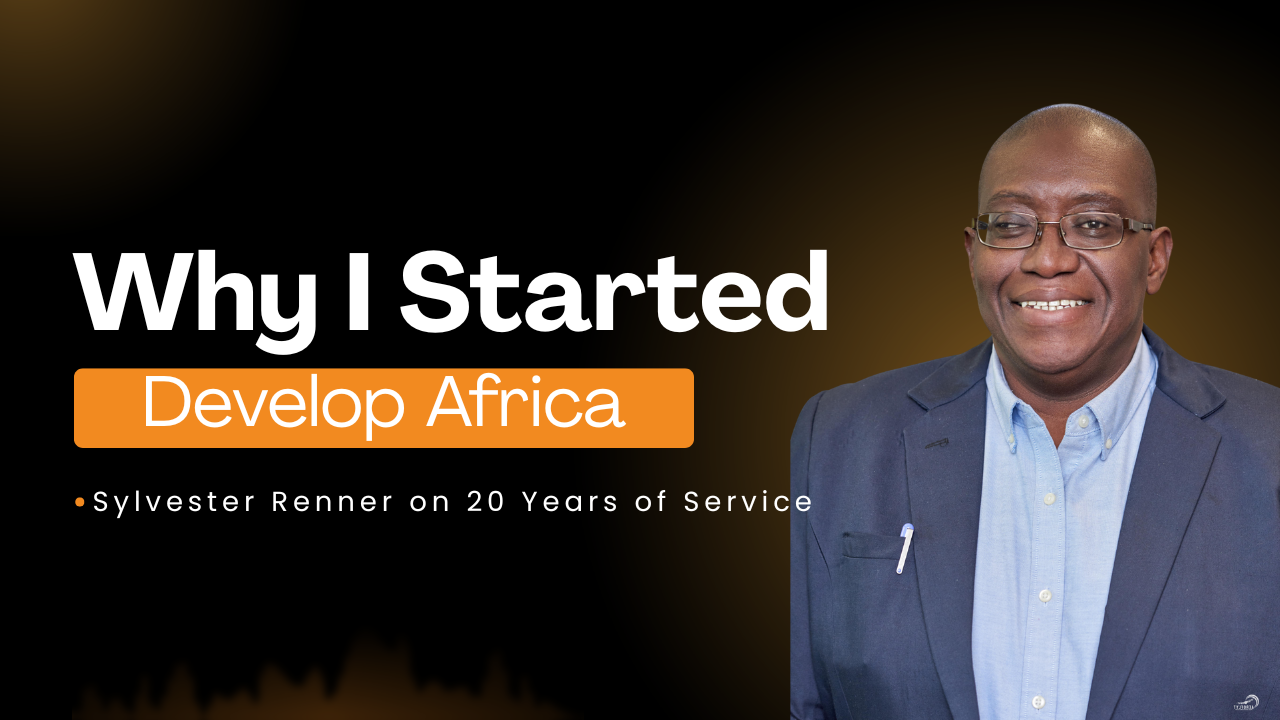
In the interview, I walked through the founding story again: my wife and I came to the United States as students in the 1990s, built our careers here, and eventually had the chance to become permanent residents. But we never stopped thinking about the kids back home who didn't have the same access to school that I did growing up between Sierra Leone, Nigeria, and Kenya. In 2006, very naively, we decided to start a small effort to help a few kids go to school. That naive beginning became Develop Africa.
I told Rinaz about Isatu, a girl we met who was helping her mother sell chaku on the street instead of attending school until a conversation with one of our board members changed that. I also talked about a student we've supported for over a decade and what it means to see a real “before and after” in someone's life, not just a photo.
One story that's shaped how we think about our mission more than any other: a child we were sending to school passed away from malaria. That moment forced us to stop thinking narrowly about school supplies and start asking a bigger question: what are all the obstacles standing between a child and their education? That's how solar lamps, mosquito nets, and health support became as much a part of our work as scholarships.
Rinaz also asked me about the harder parts of running an organization for almost two decades. My honest answer: building consistent systems. Every organization, whether it's Develop Africa or a small business, has to figure out how to turn a single good result into a repeatable standard, from how we document a scholarship story to how we photograph an event so it actually tells the story behind it. We're still working on that, and I said so on camera.
We also talked about marketing and outreach, something I admitted we could do better. Most of our visibility has come from people finding us organically online, not from a deliberate outreach strategy. Conversations like this one, and partnerships with people like Rinaz, are part of how we're trying to change that.
Two years on, I'm grateful this conversation is still out there. If you haven't seen it, the full interview is above. And if you're a young person like Rinaz, wondering whether one week, one conversation, or one small decision can turn into something lasting, it can.