Looking Back: A Student's Questions on Justice, Service, and What It Costs to Show Up
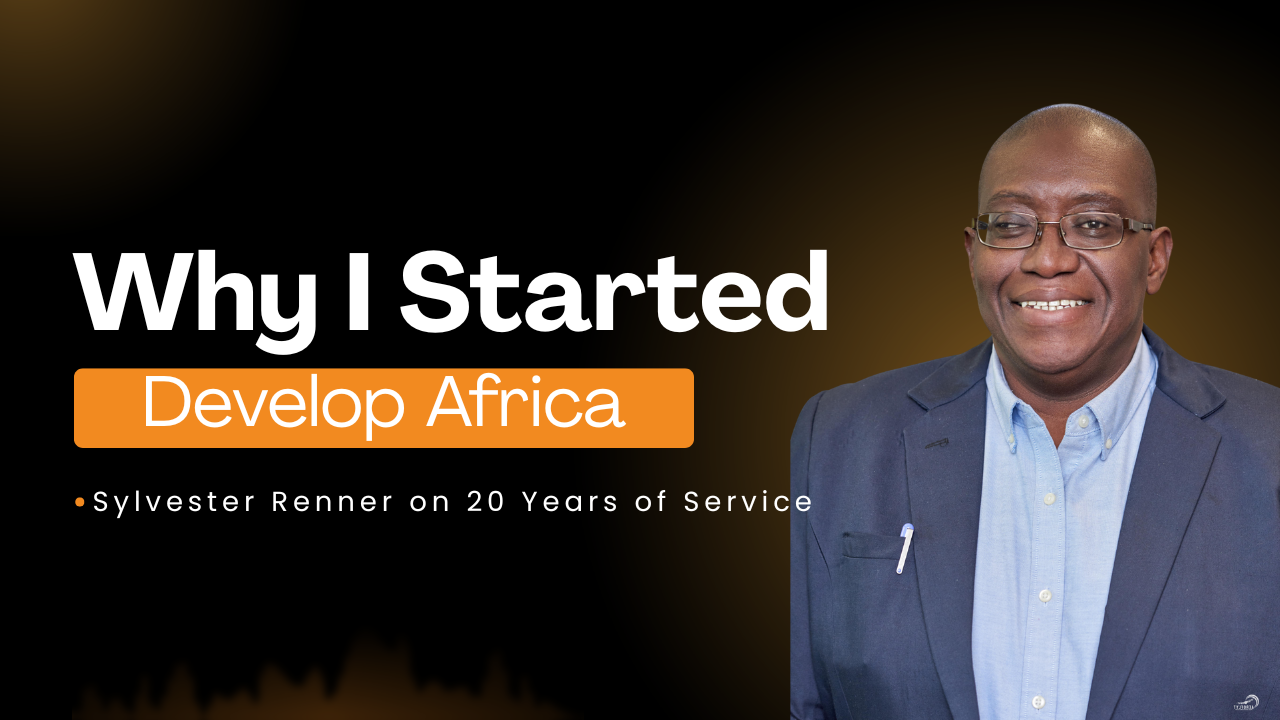
In June 2025, I sat down for an interview with a high school student working on a service learning project built around the theme of justice. Revisiting the conversation now, I'm struck again by how much ground we covered in a short amount of time and how her questions, shaped by her own experience in debate, kept pulling the conversation somewhere real.
She asked me early on whether Develop Africa's founding mission, helping kids go to school and stay in school, had evolved over the years. I told her the honest answer: yes, and not because we planned it that way.
We started in March 2006 focused narrowly on school supplies and scholarships. Then one of the children we were helping go to school passed away from malaria. That loss shook me in a way I still remember clearly; it took days to process. It forced us to stop thinking about education in isolation and start asking a much bigger question: what are all the obstacles standing between a child and their education, and how do we remove them?
That shift is part of why, during the Ebola crisis, when a mother who worked as a nurse contracted the disease and passed it to her husband, we didn't just watch from the sidelines. We opened an orphanage to care for the children left behind and ran it for several years before eventually phasing it out as circumstances changed.
She also asked about the biggest challenges my team faces. My answer hasn't changed much over the years: building systems that make success repeatable. It's easy to do something well once. It's much harder to figure out exactly why it worked, turn that into a standard, and get an entire team—not everyone equally passionate, not everyone with the same comfort level—going door-to-door or making an ask to follow it consistently. That's a challenge every growing organization faces, not just ours.
One of the more personal moments in the conversation came when she asked what I wish I had known when I started. My answer: that it would cost a lot. Not in a way I regret, but in the way every person who's started a family, a marriage, or an organization eventually discovers you don't fully know the price until you're paying it. My advice to her, and to anyone starting something they care about: count the cost first, the way you'd think it through before committing to something as significant as marriage or a long journey. It doesn't mean you won't do it. It means you'll be ready to stay with it.
She closed with a question I still think about: what does meaningful service mean to me? My answer was simple: service that matters to the people you're serving but that also genuinely matters to you. Without that second half, the motivation to keep going tends to fade. When both are true, it becomes a win on both sides.
I left that conversation impressed by a student who was already thinking seriously about public policy, political science, and how to turn ideas into action—the same questions I've been asking myself for almost two decades. If you're a young person doing the same, the full conversation is above.