Closing the Gender Gap: Africa’s Future Depends on It
Because real progress means every voice, every talent, and every woman counts.
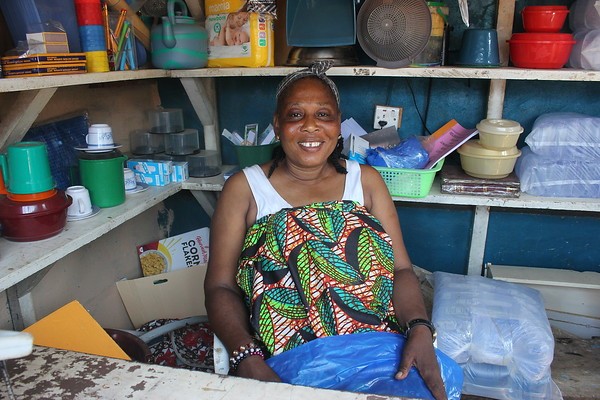
It’s no secret: gender disparities remain deeply entrenched across many African societies. As a result, women continue to trail men in income-generating activities, often sliding deeper into poverty, not due to lack of ambition or ability, but due to systemic barriers.
And yet, across the continent, women are striving to make their mark in the marketplace, with little structural support.
A recent report from the International Development Research Centre (IDRC) highlighted a core problem:
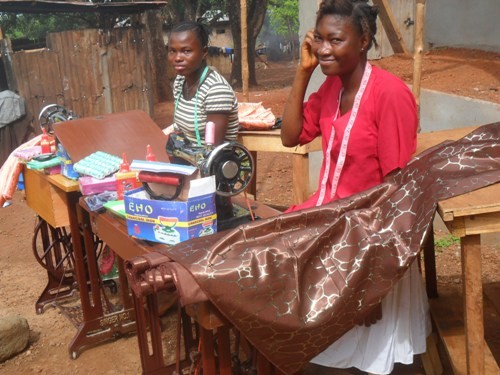
“Women are overrepresented in the informal economy… pursuing opportunities in agriculture or trade out of financial distress or the need for flexibility. Even in formal sectors like hospitality and services, they are more likely to hold low-paying clerical or sales roles.”
But what happens when we empower women economically?
Data from S&P Global is precise:
“Increasing women’s economic participation and fostering an inclusive economy can drive growth and positively impact all global citizens.”
This isn’t just an economic argument. It’s a human one. Women, like men, have the right to pursue financial independence, contribute to their economies, and rise to their full potential.
But too often, they’re boxed into informal work, getting underpaid, unprotected, and overlooked. They carry unpaid care burdens, face financial gatekeeping, and get pushed out of the formal sector.
This limits not just their freedom, but also economic growth, household resilience, and national development. Removing these barriers isn’t charity. It’s a smart policy.
When women earn and lead, families eat better. Girls stay in school. Communities grow stronger. You don’t unlock half a country’s potential and expect full progress.
The Current Challenges
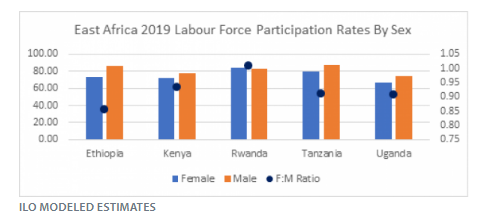
Despite social and economic progress, many African women still face structural roadblocks in the workplace. Cultural traditions often keep women "in the background"—even in modern urban spaces. Recruiters hesitate to hire pregnant women or young mothers. Leadership roles remain male-dominated across politics, business, and science. Gender pay gaps persist even among women with equal or higher qualifications. Access to finance and land ownership skews heavily in favor of men. And legal protections, where they exist, are rarely enforced.
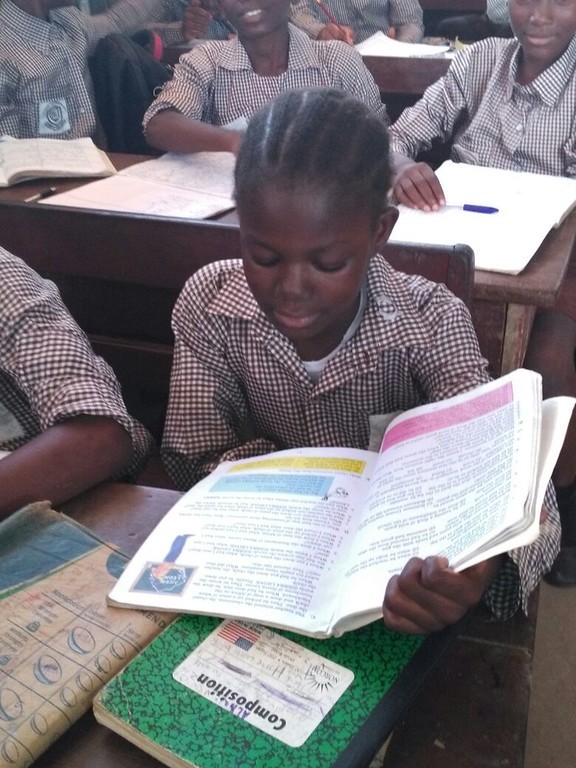
In addition to cultural limitations, access to funding remains a massive barrier.
The Cherie Blair Foundation’s 2020 audit revealed:
“Globally, women-owned businesses access just 2%–10% of commercial bank financing. Start-ups with at least one woman founder are 5–10% less likely to receive investment. When they do, they receive a third less than male-founded startups.”
Despite these gaps, there are glimmers of progress. The foundation’s mobile app HerVenture, developed with DHL and Sinapis, has helped train over 3,500 businesswomen across developing countries.
Backing women in business is not just the right thing—it’s a proven growth strategy.
The UN Women report says it plainly:
“Since 2010, Sub-Saharan Africa has lost an estimated $95 billion annually due to the gender gap in the labor market.”
That’s billions in untapped talent and productivity.
True empowerment begins long before the boardroom. It begins with providing girls with access to quality education, continuing through inclusive hiring practices, and progressing toward women in executive leadership, not as a quota, but as a recognition of their competence.

Governments also play a central role. Policy changes that support small and medium enterprises (SMEs) would disproportionately benefit women, many of whom operate in informal sectors.
Tax incentives, startup capital, and fair trade laws could dramatically increase women’s income and community impact.
According to Our World in Data 2023, more women are now in informal employment spanning across sectors like agriculture, logistics, self-employed street vendors, home-based workers, and others.
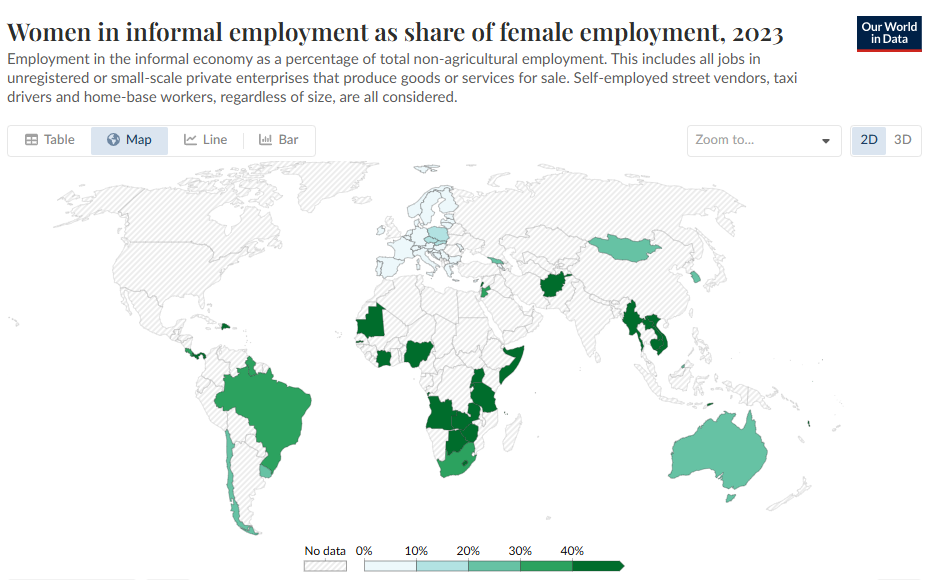
According to an opinion by Naila Kabeer (London) from UN Women, 2023.
From street vendors and domestic workers to subsistence farmers and seasonal agriculture workers, women make up a disproportionate percentage of workers in the informal sector. In South Asia, over 80 per cent of women in non-agricultural jobs are in informal employment; in sub-Saharan Africa, 74 per cent; and in Latin America and the Caribbean, 54 per cent.
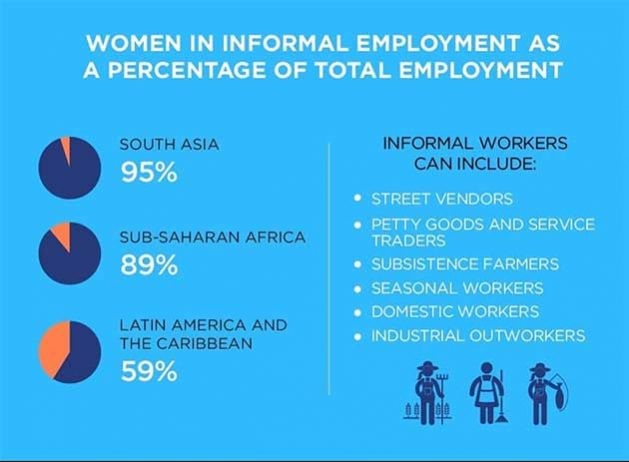
Source: https://www.unwomen.org/en/news/in-focus/csw61/women-in-informal-economy
However, beyond policy, a mindset shift must also occur. From an early age, boys and girls need to be taught to see each other as equals—in potential, in leadership, in economic contribution. This mindset should continue through civic education, business culture, and national policy. Our economies can’t thrive while half the population is excluded or underleveraged.
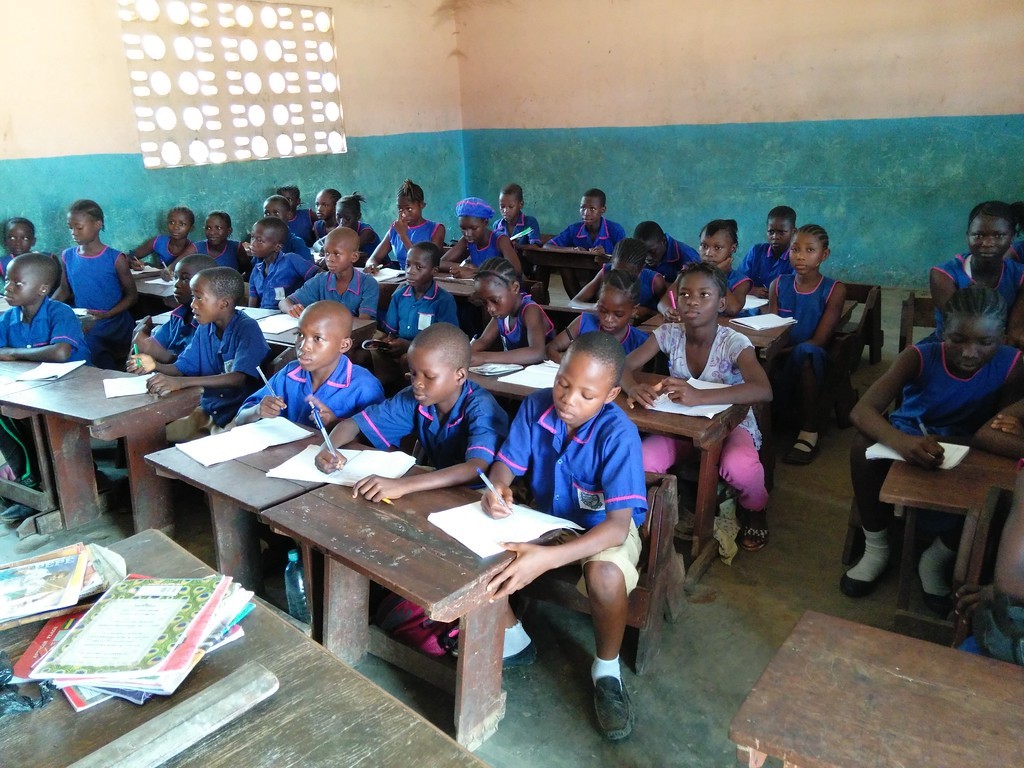
Equality isn’t just about access, it’s about expectations. Girls must see themselves as future CEOs, engineers, legislators, not just supporters. Workplaces must reward competence, not conformity to outdated gender norms. Media, religion, and education systems must model balanced power dynamics. And men must become allies, not gatekeepers, in reshaping what leadership looks like.
Women in Africa have the skills. They have the will. What they need is opportunity.
If you’re a policymaker, funder, educator, or community leader, it’s time to double down on inclusive economic development.
Let’s close the gap. Let’s unlock Africa’s full talent pool.
Want to support women in the African economy? Connect withDevelop Africa Inc. to contribute your time, resources, or voice.
Reach out. The future is inclusive, or it isn’t a future at all.
If this kind of content resonates with you, follow me for more stories, lessons, and behind-the-scenes insights from the frontlines of nonprofit leadership. And please — like, share, or comment to help this message reach others who care.|
🔗 Want to learn more or get involved? Here are a few ways you can take action today: